Our week in Kochi (or Cochin) has, so far, been a busy one with loads to see and do compared to the relative quiet (temple music notwithstanding) of Munroe Island. As such, I will write about the first 3 days now, which I think will be the most action-packed, then the last 4 once we are in Munnar on Sunday.
Monday –
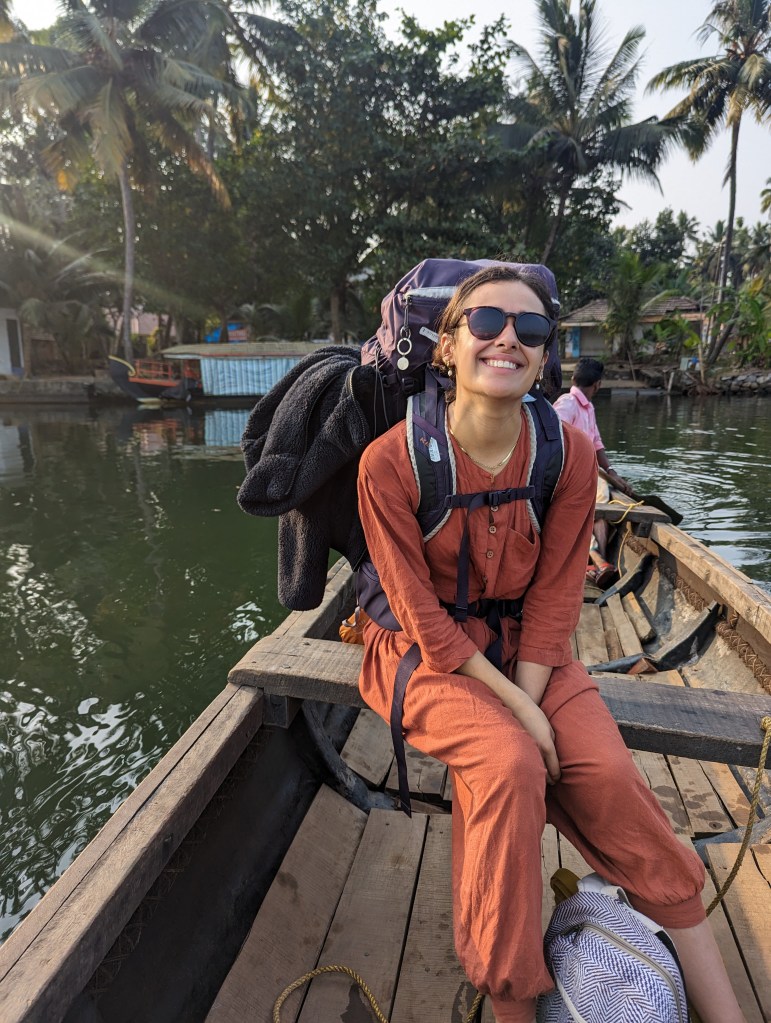
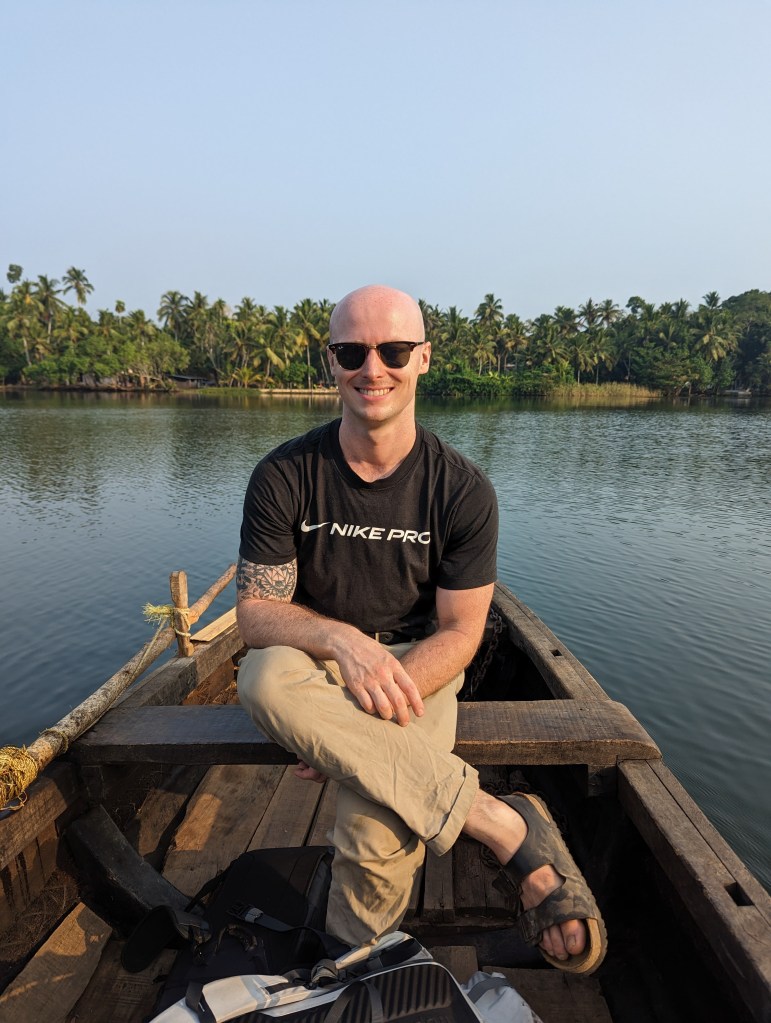
We were up relatively early, though not yoga school early, for our departure from Munroe Island to Kochi. Our train left at 8.40 from a station across the river on the mainland to the north, so we ate breakfast before the rest of the guests and were escorted to the river bank by Vijeesh’s sister (Vijeesh was on a early morning canoe tour) where the ferry would take us across and a rickshaw was waiting for us on the opposite bank.
The train was only 20 minutes or so delayed, which seemed reasonable given it had set off from the east coast the previous day. We had booked 2AC seat again, though on this service these were in one of the sleeper carriages. So, instead of a carriage of normal upright seats each with a number, there are bays with two horizontal berths facing another two horizontal berths. This way, four people can sleep in a bay with two sleeping at the berths at the top (top bunk) and two at the bottom (bottom bunk). Then, when awake, all 4 people sit up on the bottom berths.
For a short time we were the only people in our bay, having accidentally chased a young family away who were sitting there before us. Before long, we were joined by a young Indian man and his mother, who had an uncomfortably dry cough for such a small space. Then, an elderly Indian couple took a seat. It seems to bother no-one that our bay was now at 150% capacity, and indeed we were joined shortly afterwards by another Indian woman with her daughter and someones small child (possibly hers, possibly her daughters).
It seemed like protesting that we had the seats booked wasn’t really the done thing, and besides Ellie and I had an enviably snug corner of the bottom berth. The woman with the daughter and small child asked us where we were from and where we were going, and before long her daughter was putting her mobile number into Ellie’s phone in case we ever found ourselves in the Keralan village they came from and needed somewhere to stay. She was incredibly proud that this daughter was studying engineering, and was insistent that we were to come stay with them.

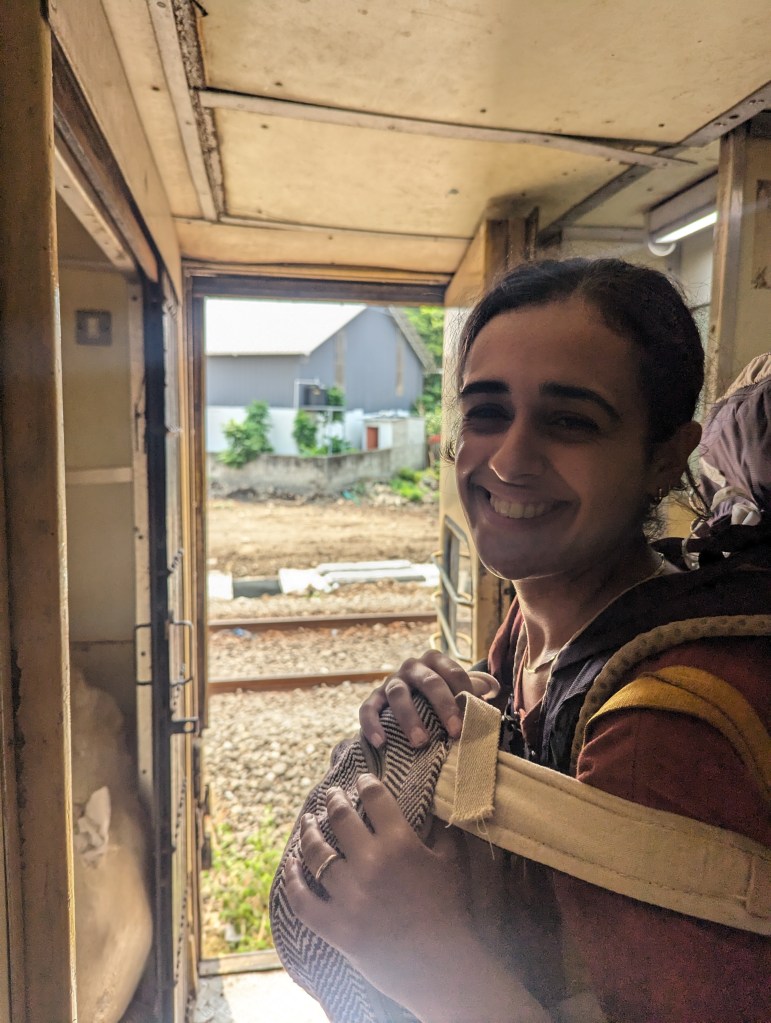
These three got off at the next stop, and we were left with the old couple and the young man who had put his coughing mother to bed on a berth in the opposite bay. The remaining three had a long conversation in Malayalam, before the elderly lady brought out and offered us some chapati and curry that she had packed for herself and her husband. She told us that she had worked for 35 years as a charge nurse in Jaipur and that she was taking her husband to his kidney doctor in Kochi. It further transpired that the young man had been living for the last 10 years in Wolverhampton and was back in Kerala to see his family. We talked on and off in the bay until we pulled into Ernakulam Junction a surprising 20 minutes or so earlier than schedule.
Kochi as a conurbation is made up from a narrow spit of land on the waterfront on which the areas of Fort Kochi, Jew Town and Mattancherry amongst others are found. These are the more touristy areas and separated from the mainland by Willingdon Island, an artificial island made when the British dredged the bay to make a harbour. The mainland coast looking out torward the Fort Kochi area is called Ernakulam and is the built up new city area, which is much more of a working Indian city. Ernakulam Junction Station is, as the name suggests, in Ernakalum so we took a 20 minute rickshaw from the heaving station (which, incidentally, was laid out almost exactly like Clapham Junction) to the Fort Kochi area, where we were staying.
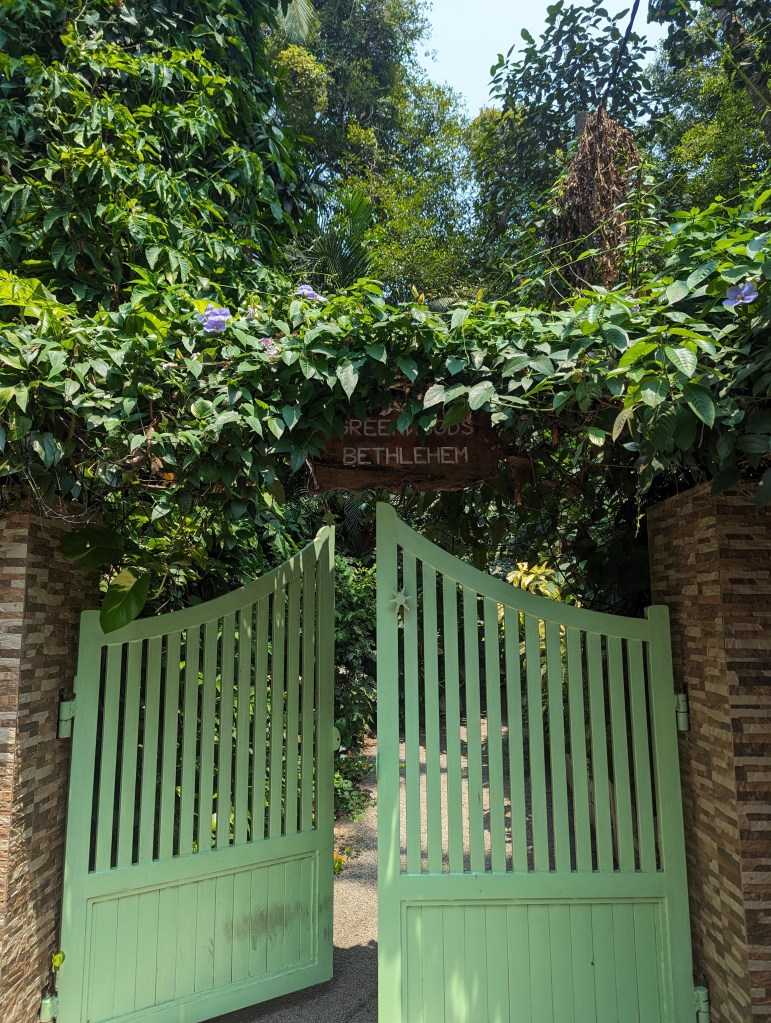
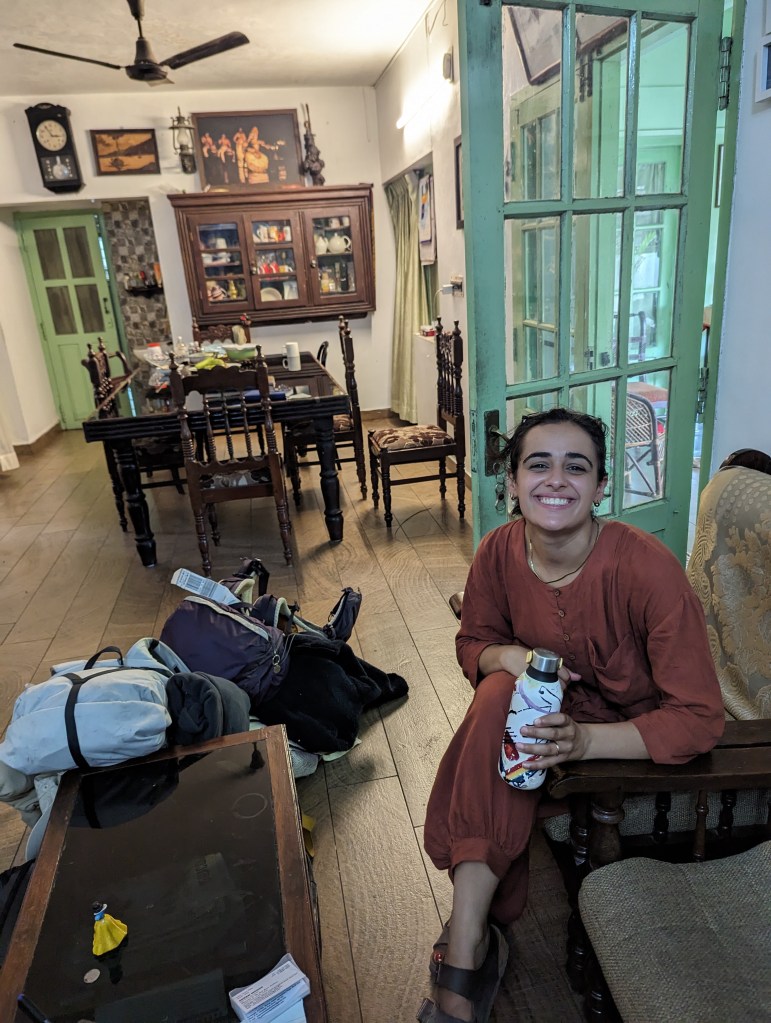
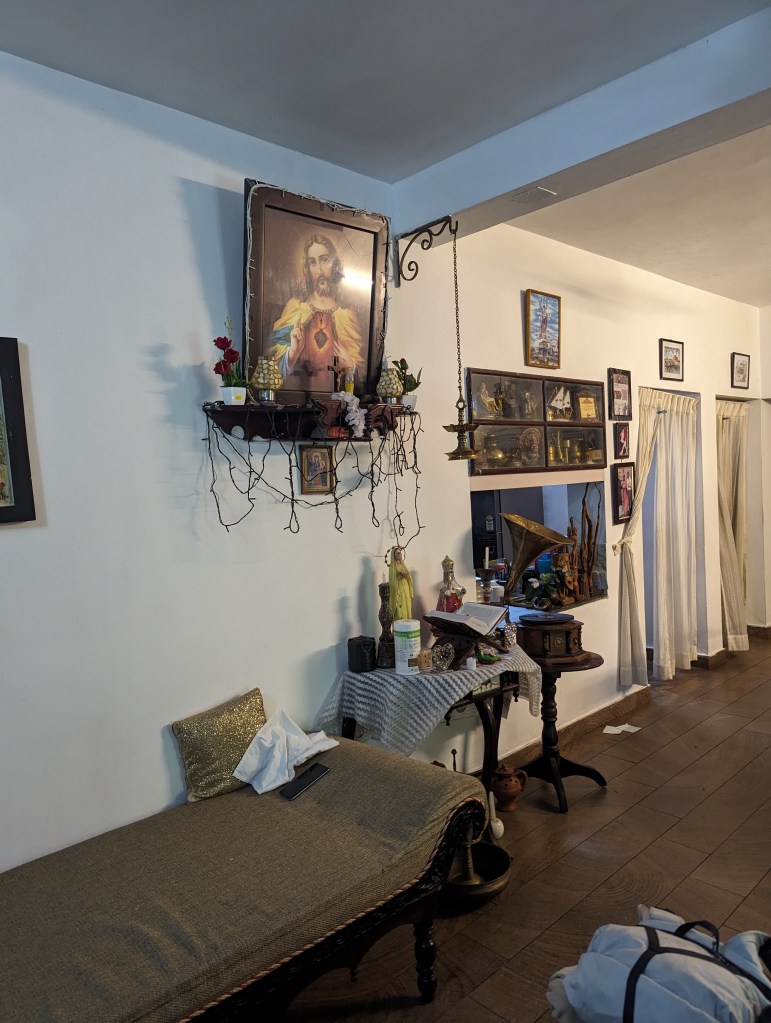
We had 6 nights booked in “Green Woods Bethlehem” homestay with our hosts Sheeba and Ashley. We had a warm welcome from Sheeba who sat us down in her part-living room, part-reception area and fed us with lemon tea and bananas whilst the room was prepared. The room was clean and tidy though relatively simple, and we had the pick of 5 of them since we arrived earliest. Once we’d dropped our things, we headed out into the the Fort Kochi town centre for lunch.
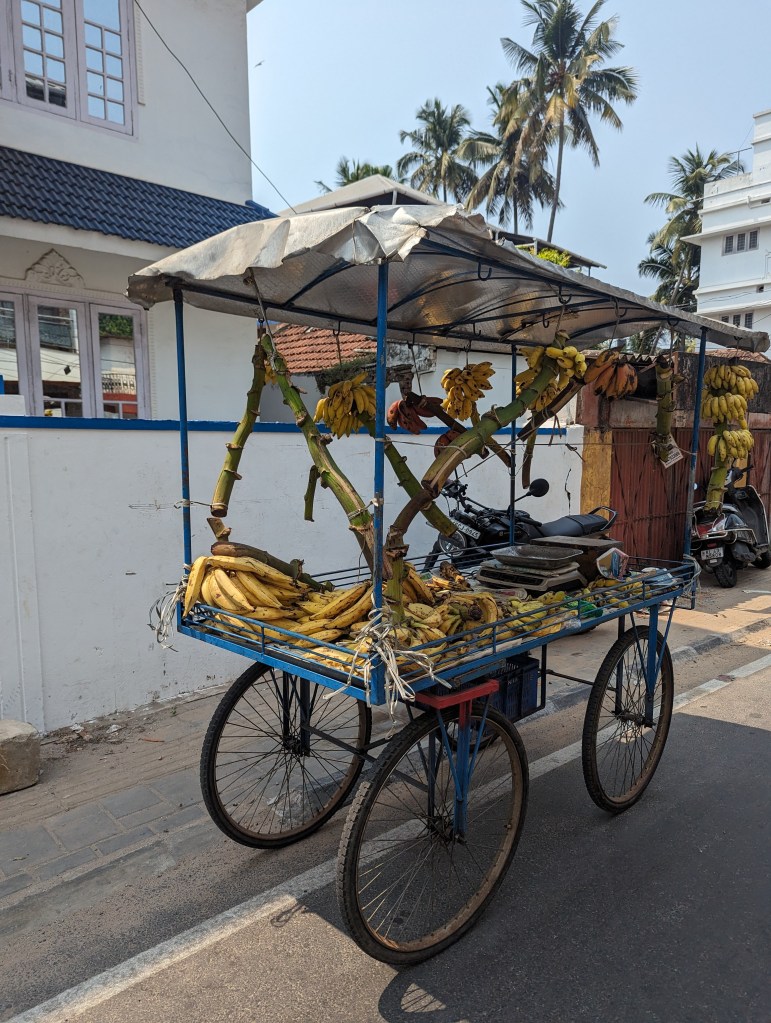

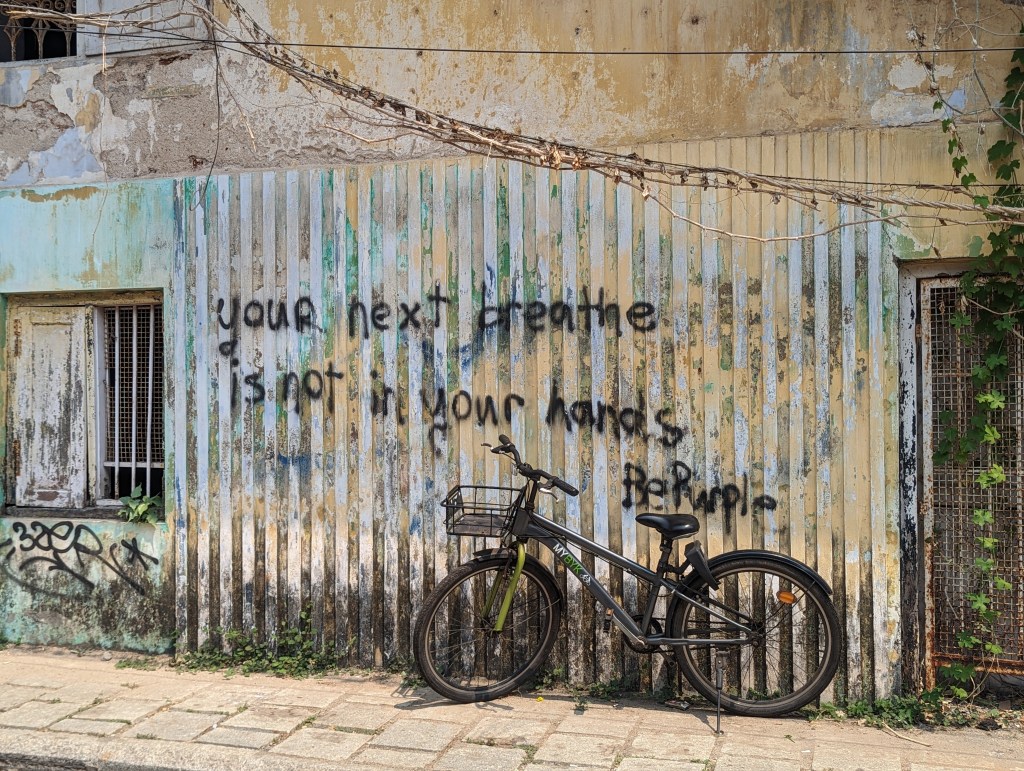
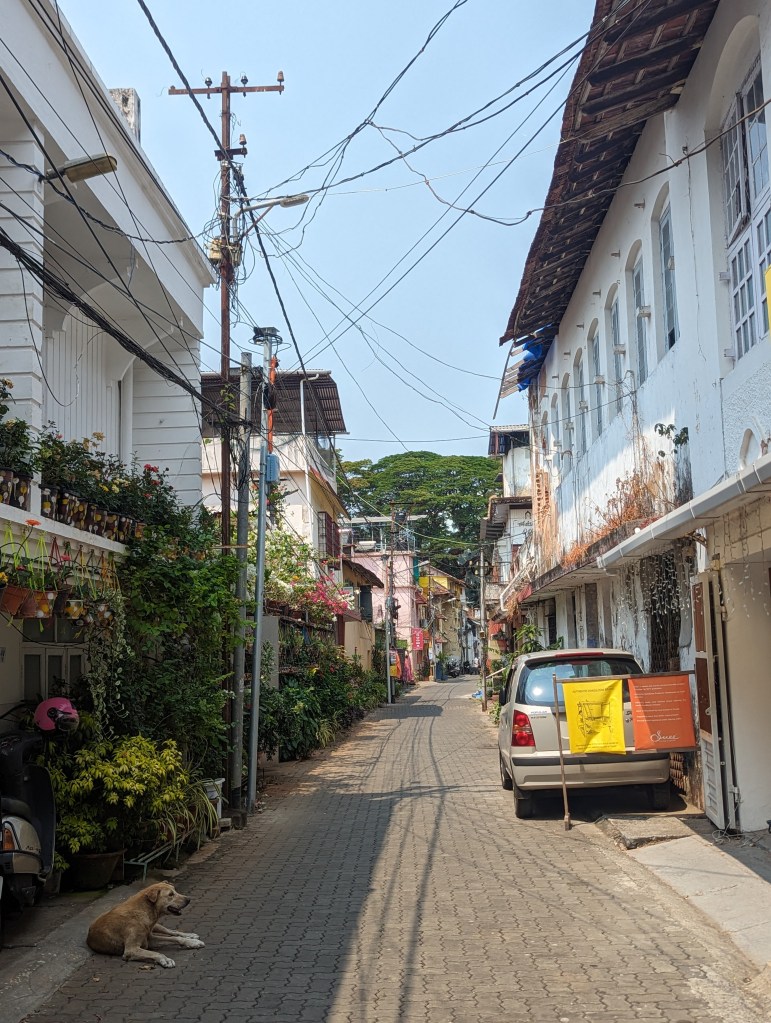
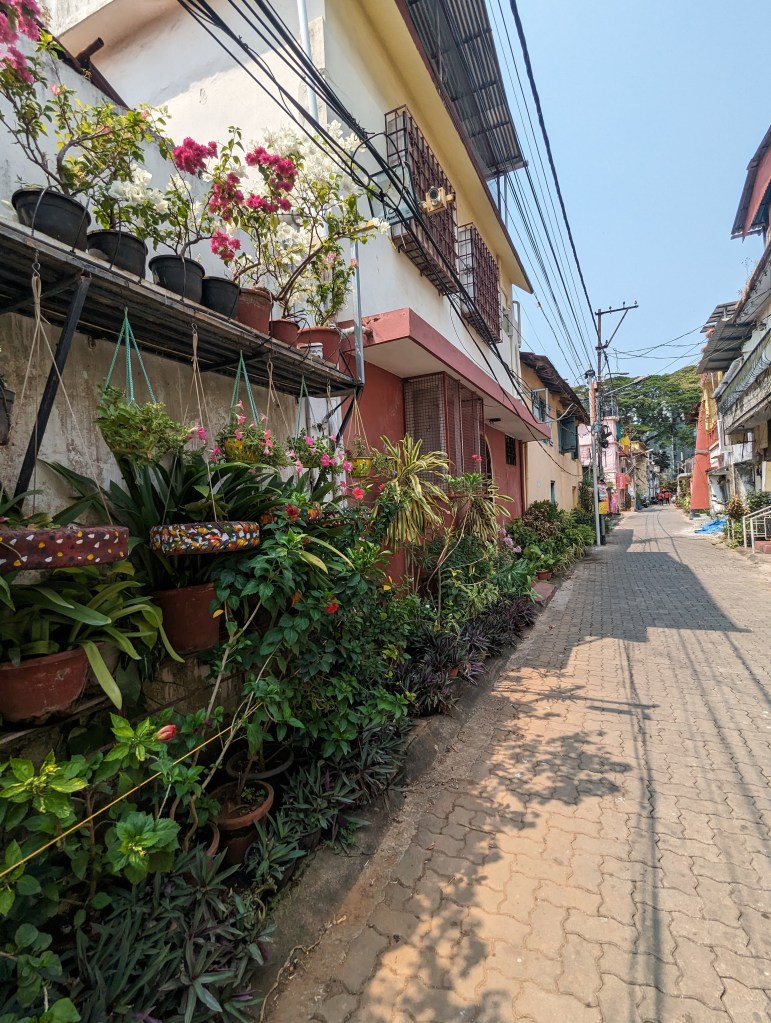
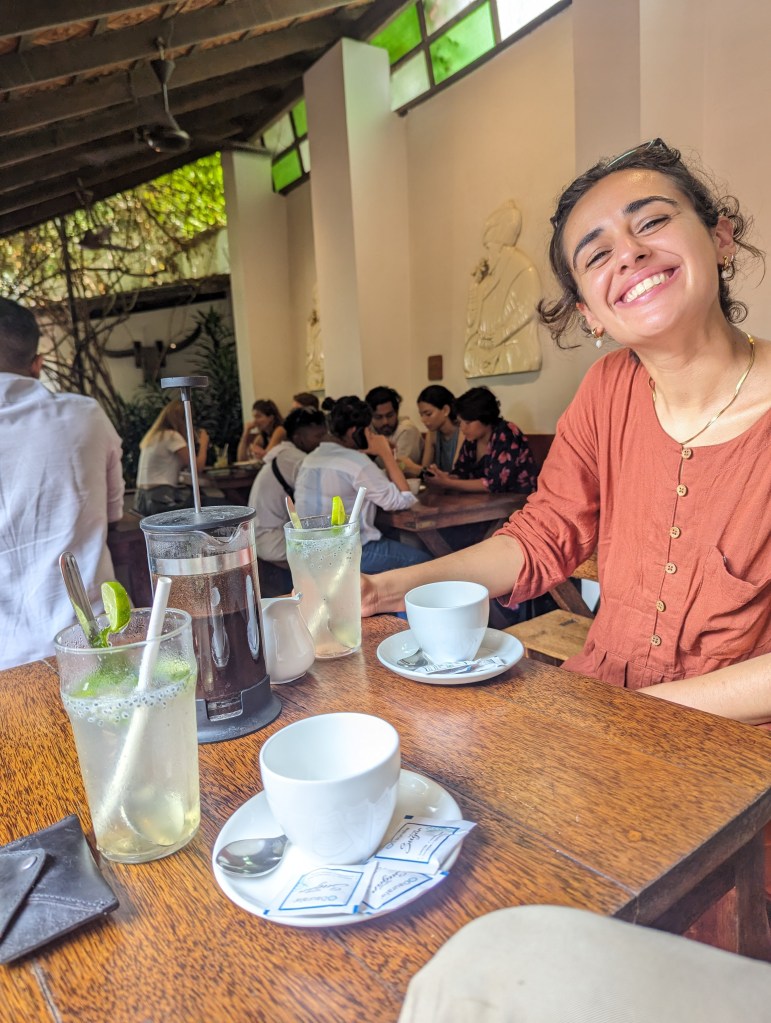
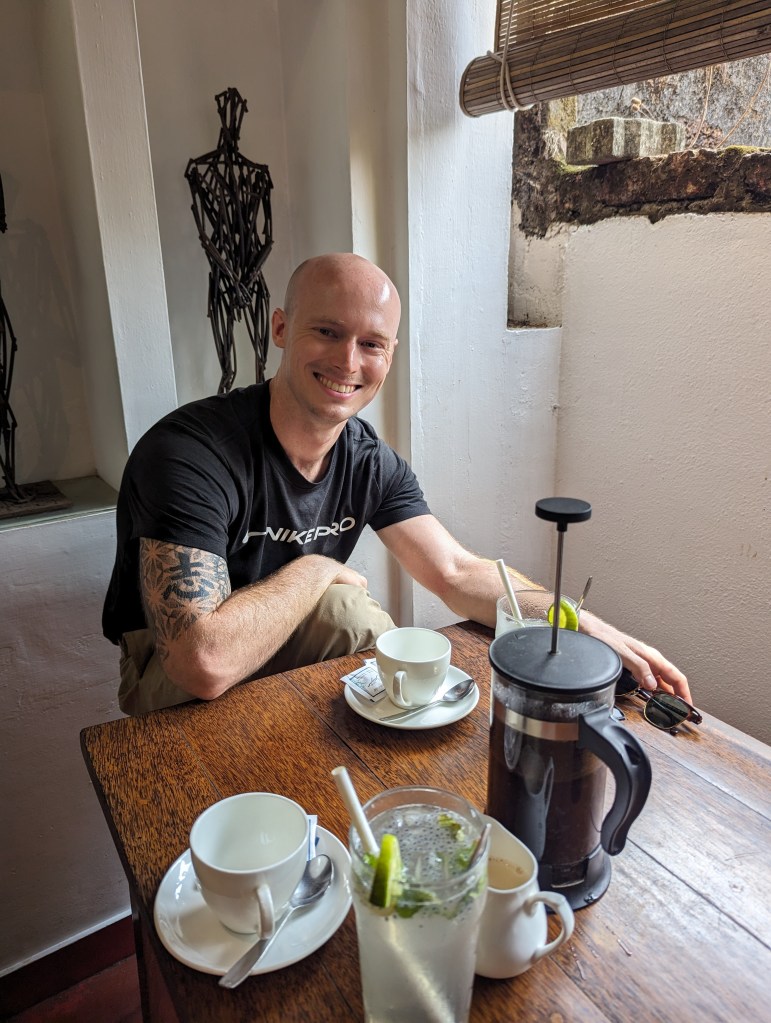
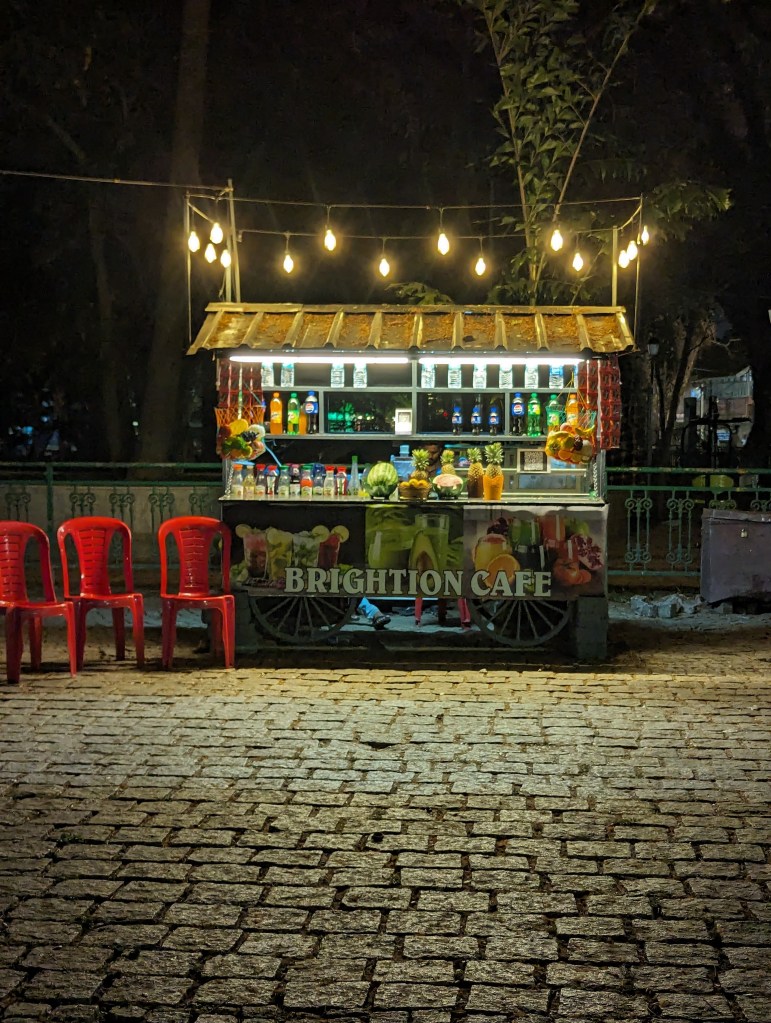
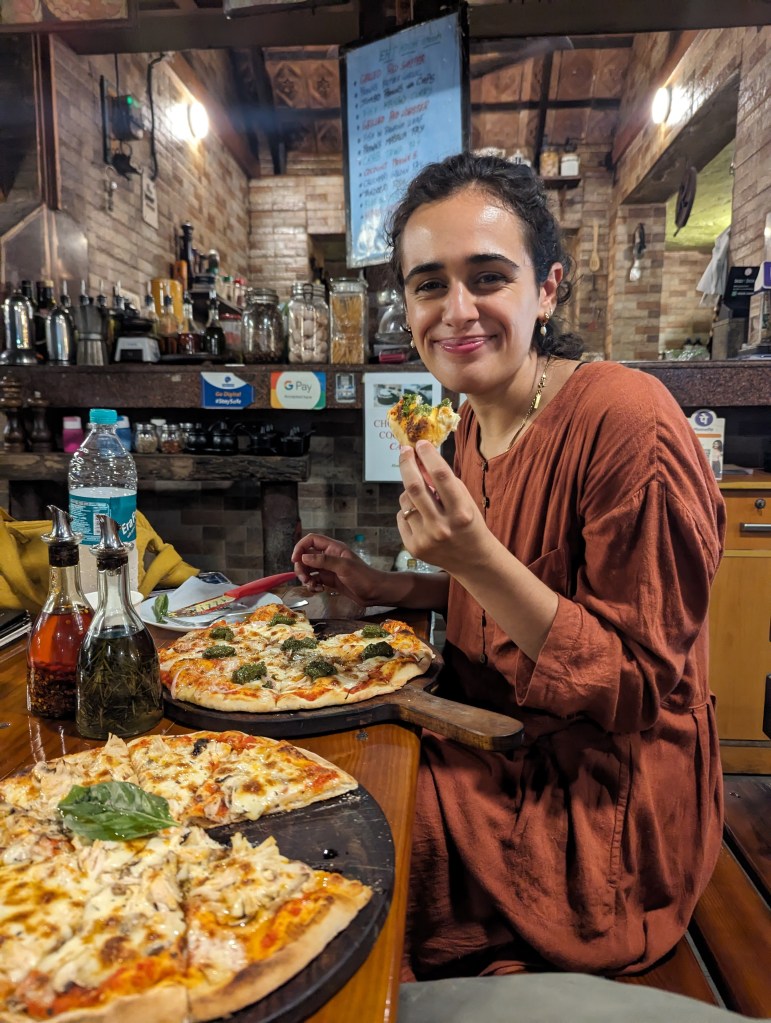
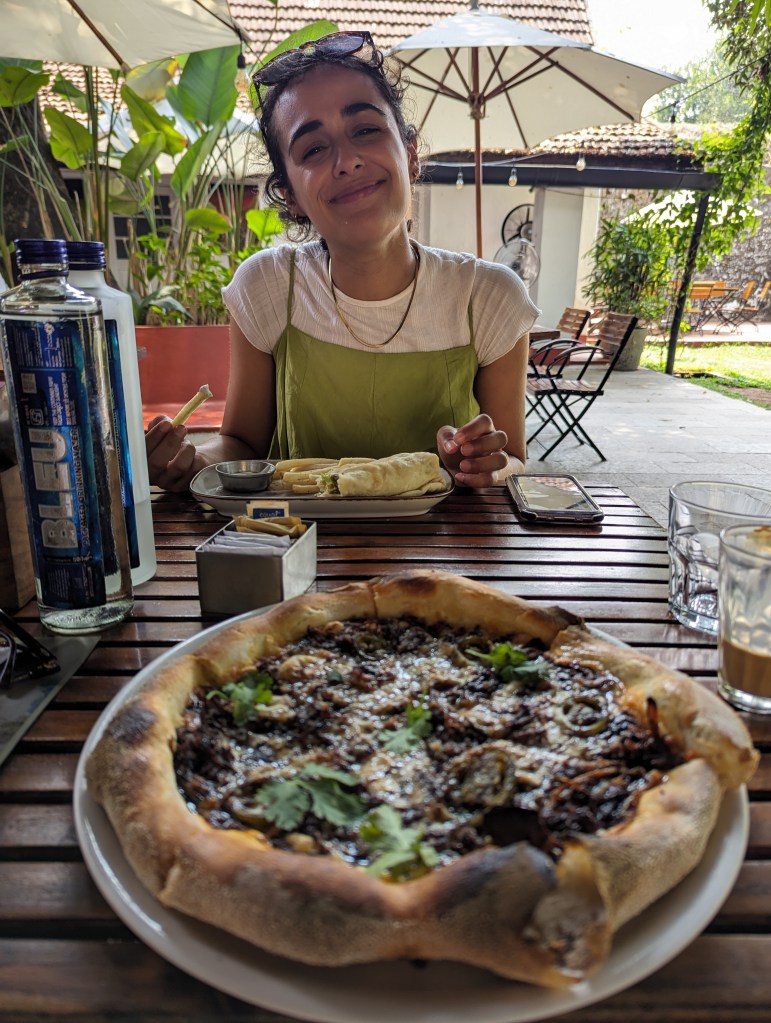
As previously mentioned, as much as we loved Munroe Island, the coffee was as best poor quality instant coffee. So, to be presented with a giant cafetiere of good quality coffee at one of the local art cafes was a delight. We ate lunch here too before heading back to sit out the heat of the day in the air conditioning. In the evening, we walked the 20 or so minutes back into Fort Kochi for a quick dinner. After a week of banana-leaf fish and vegetable thalis, we were craving some Western food, and the tourist area of Fort Kochi didn’t disappoint. After a pizza in an outdoor cafe, we once again headed back to the hotel for an early night.


Tuesday –
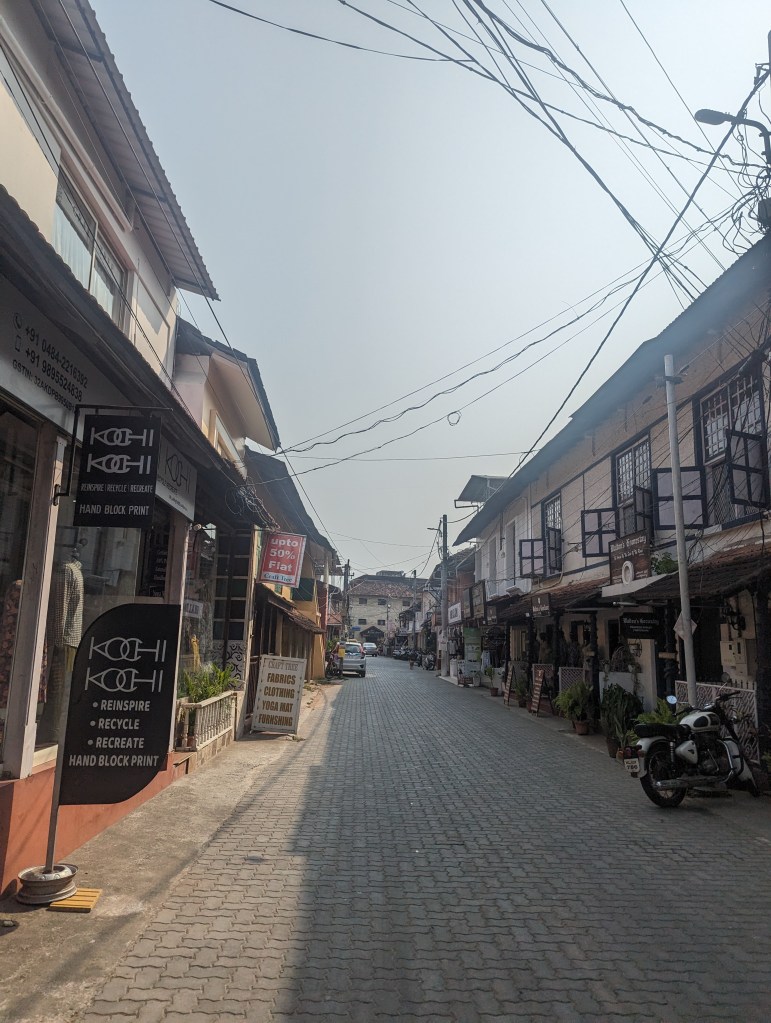
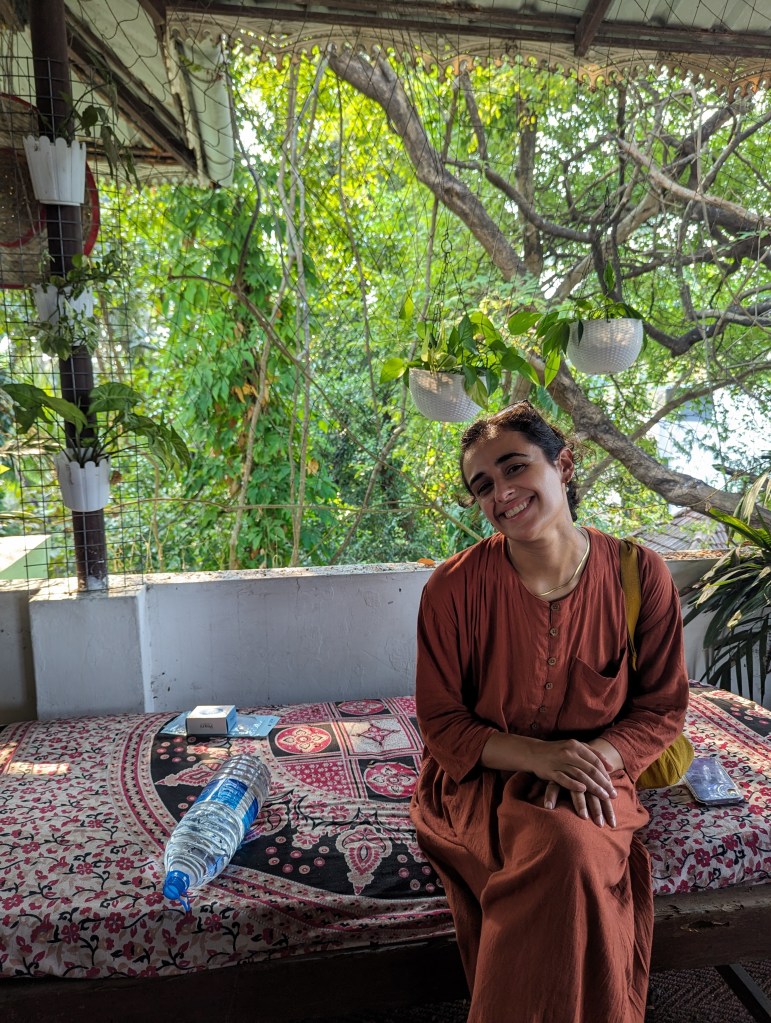
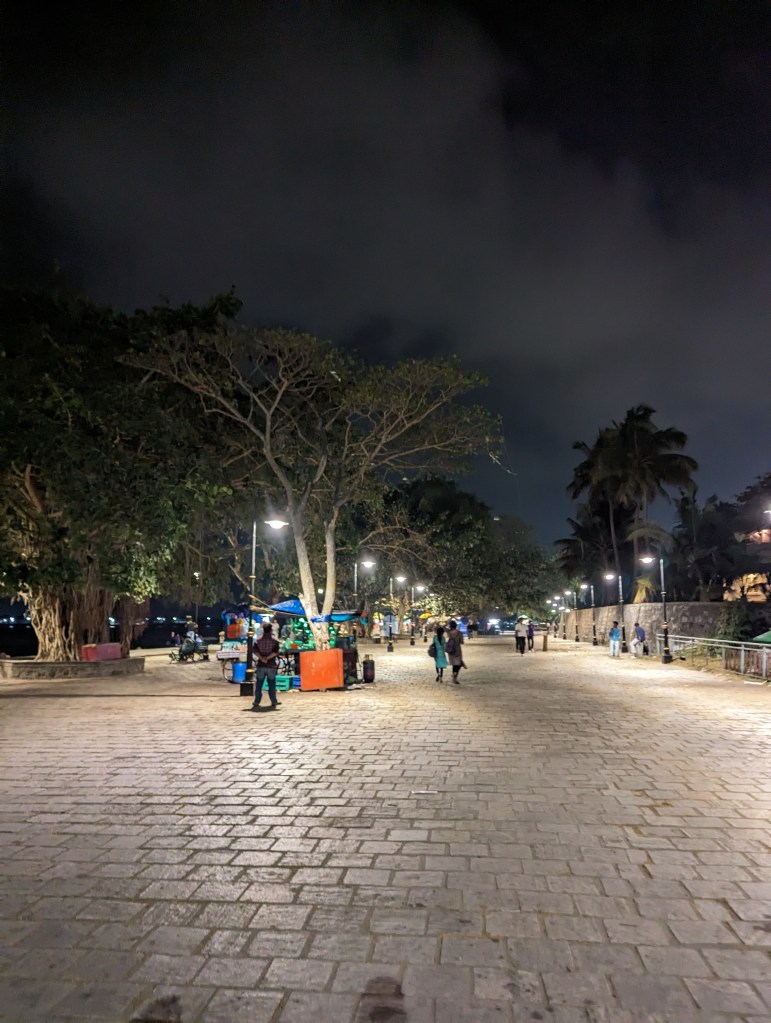
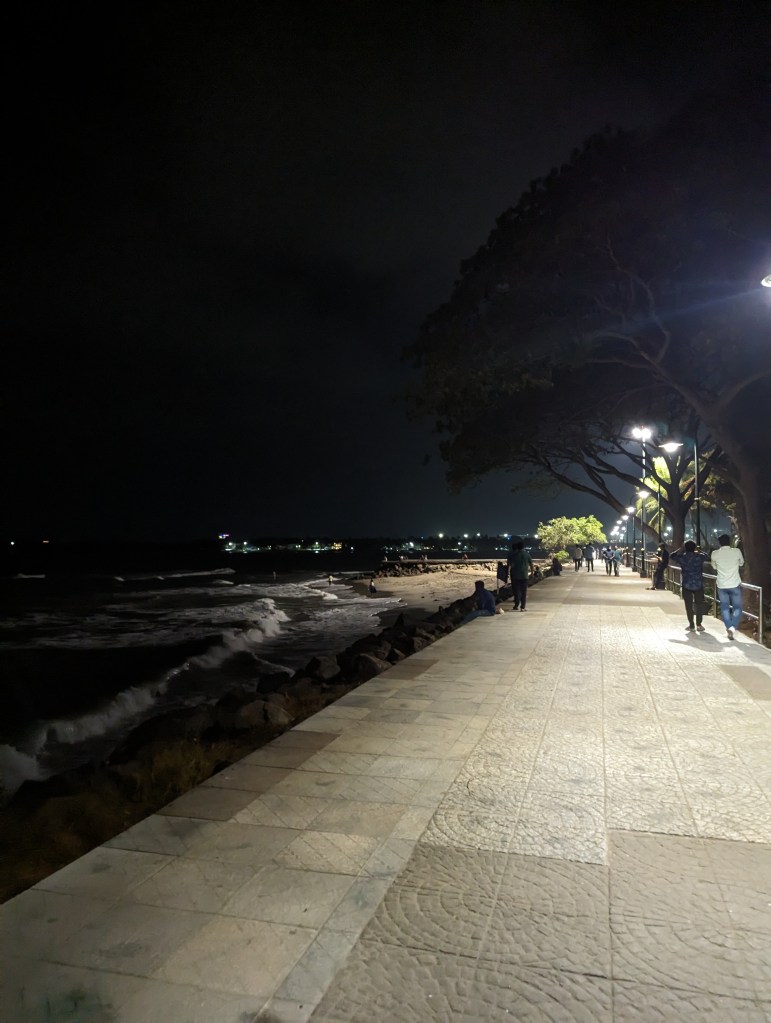
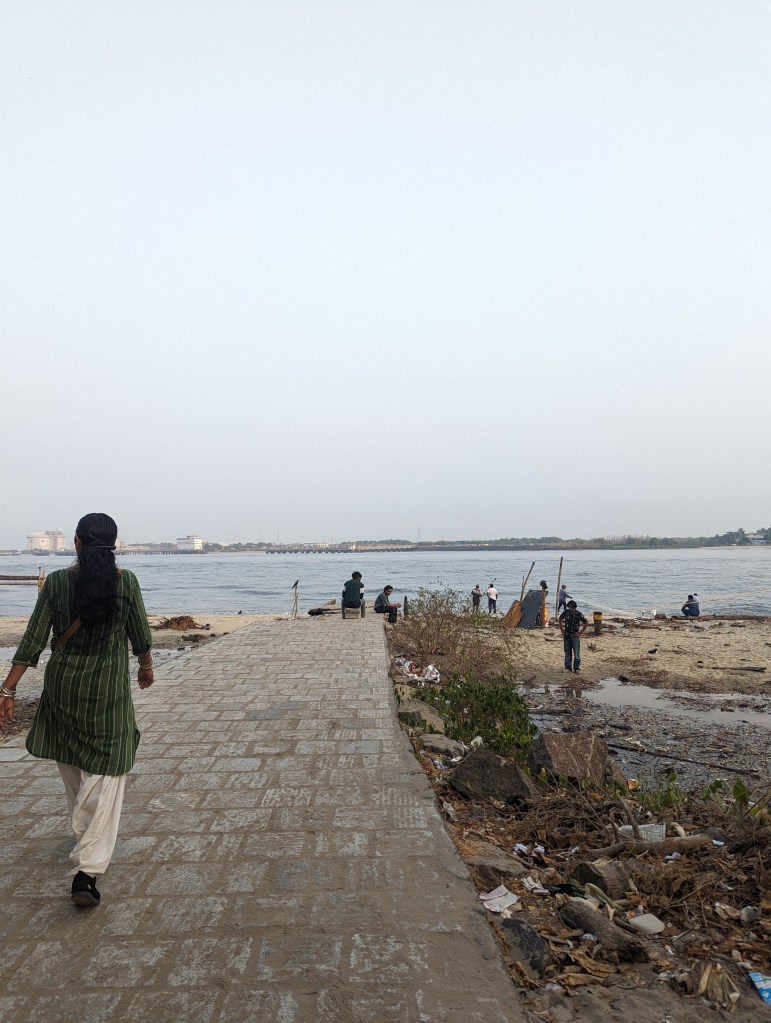
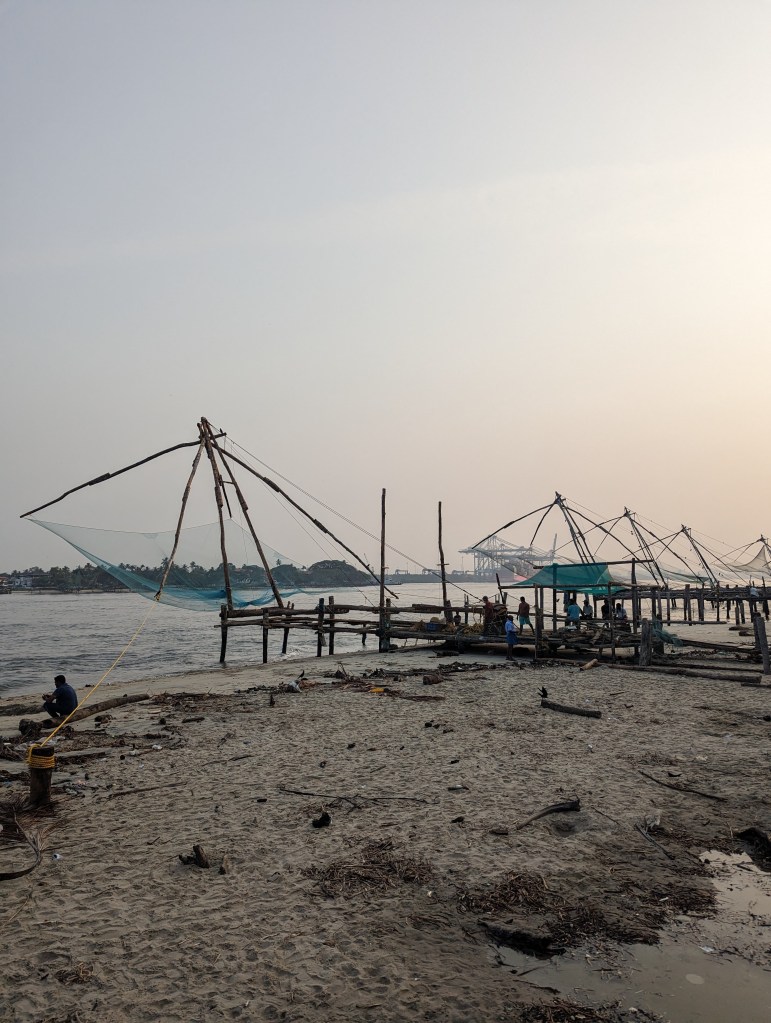
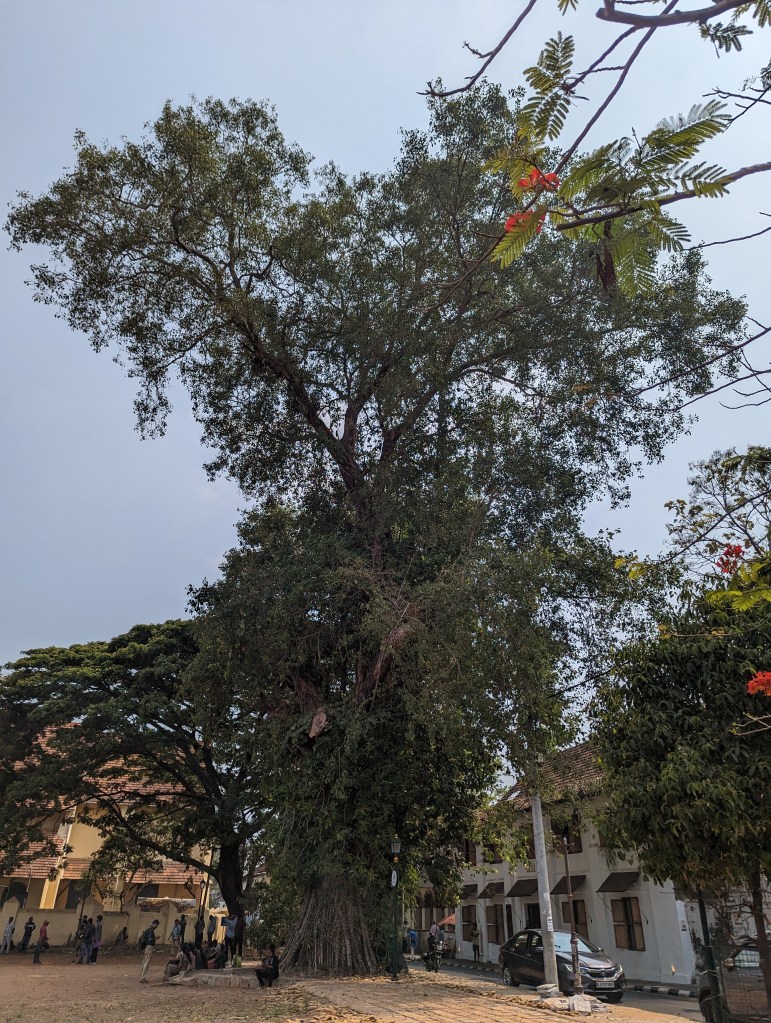
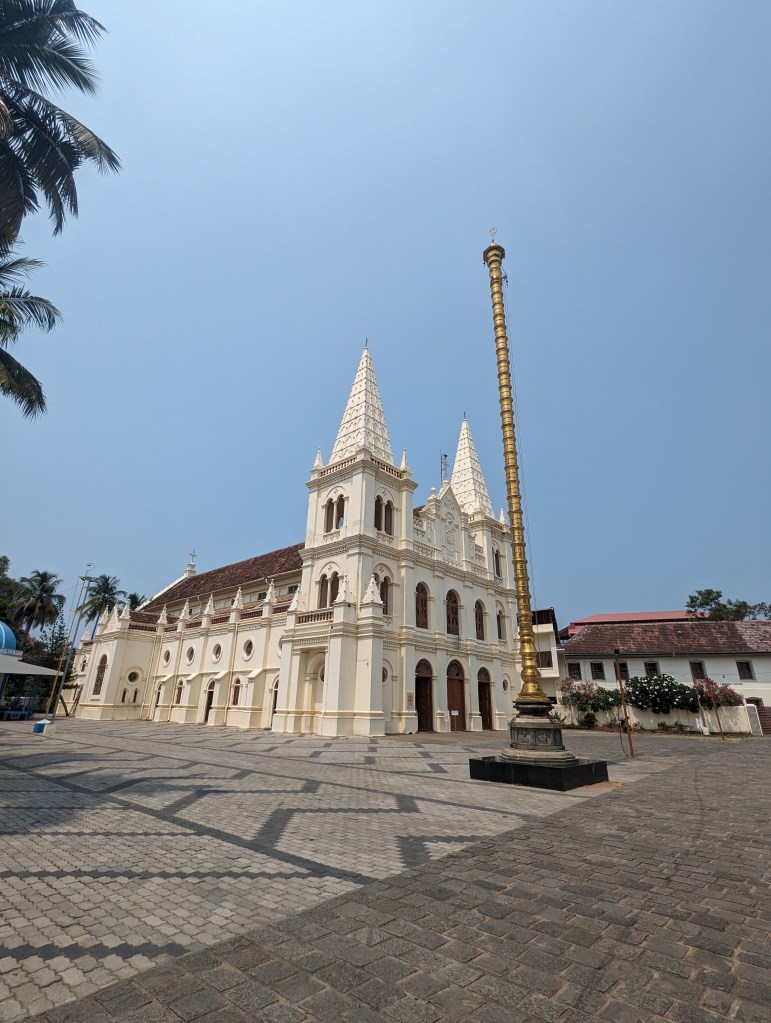
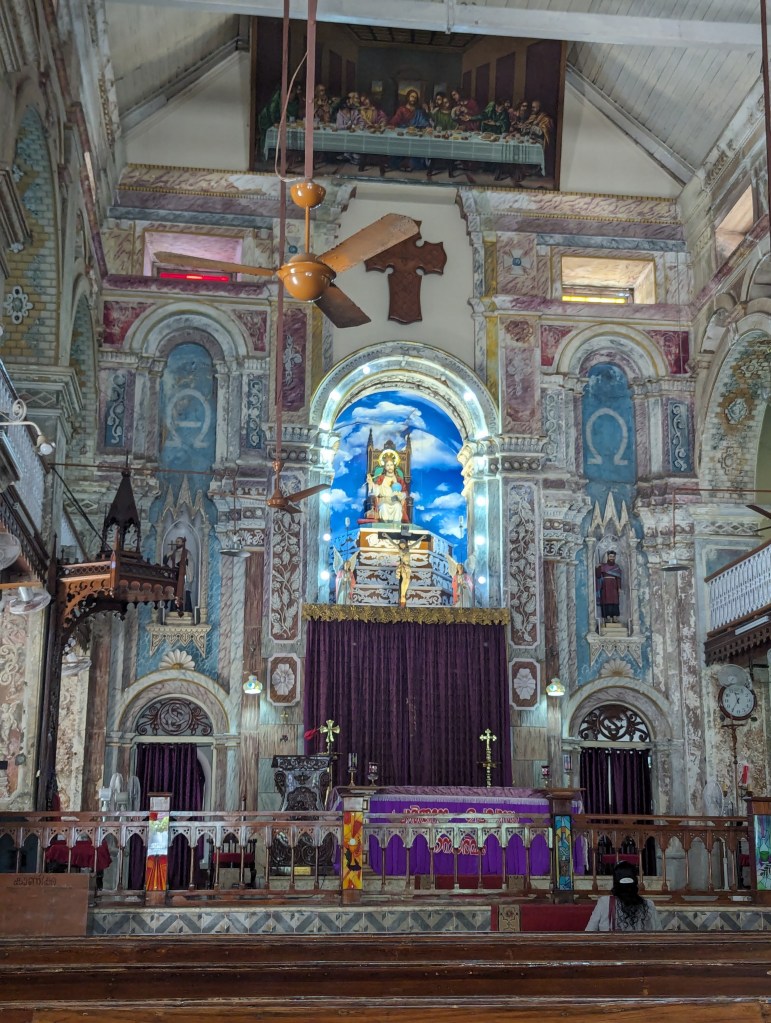
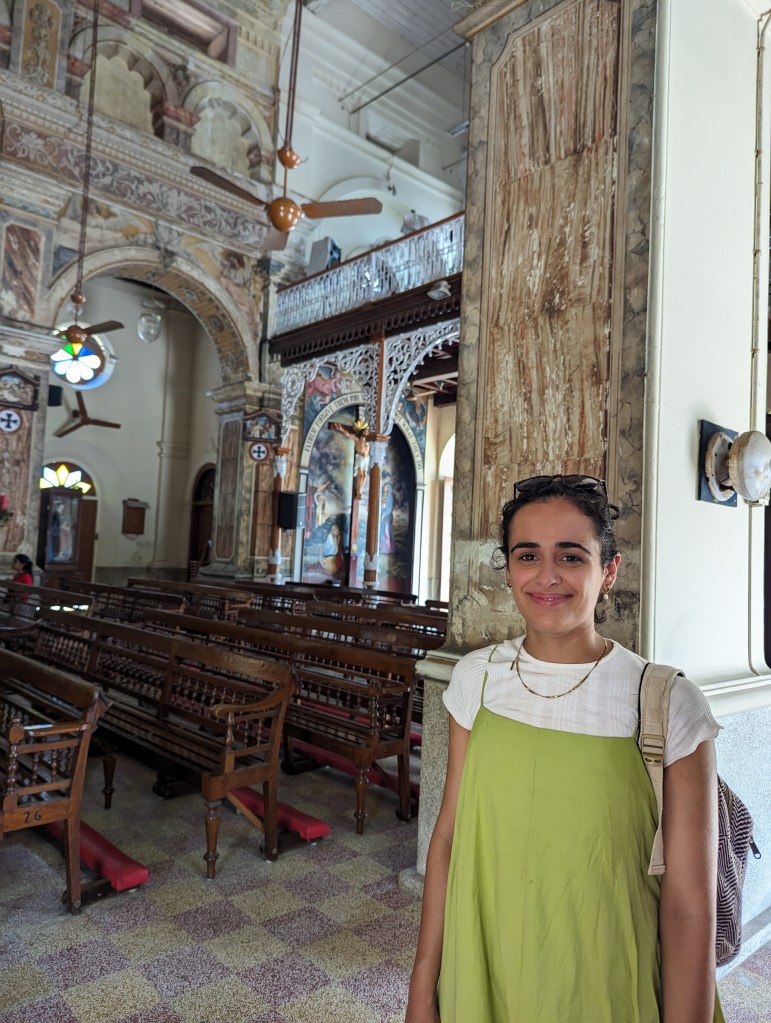
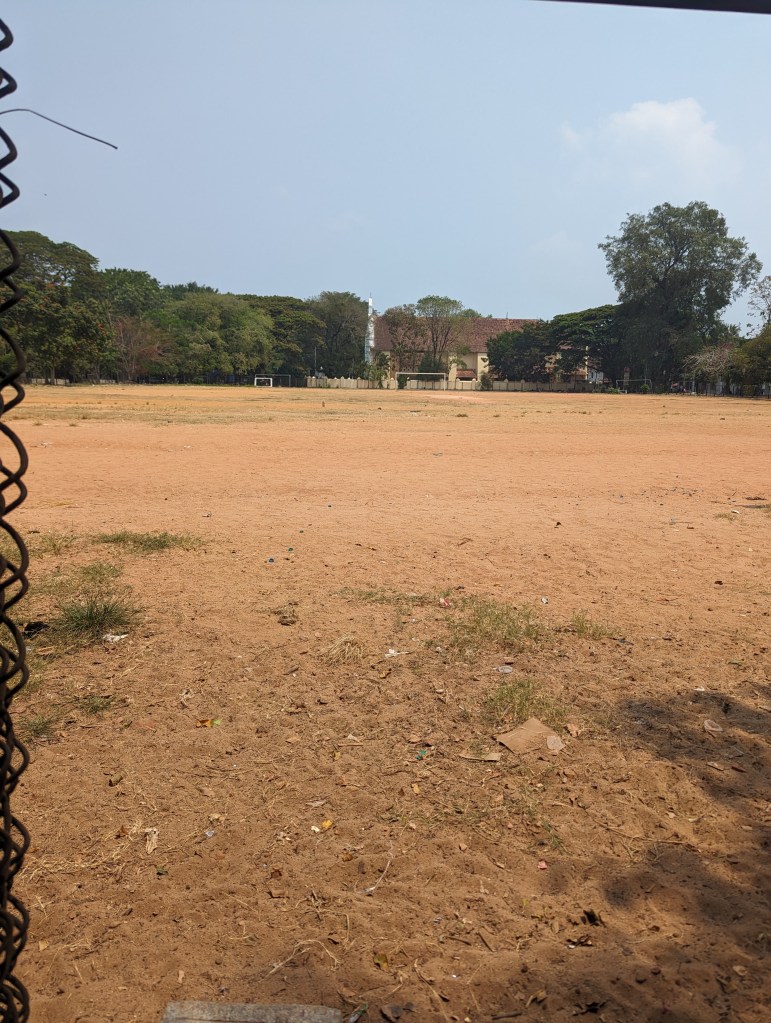
The following day we were up and out of the homestay at 6.45am to join a guided tour of Fort Kochi that Ashley had arranged for us. Despite him giving us very vague and arguably wrong directions for the rendez-vous point, we managed to find the tour guide with the other tourists in tow. For the following hour and a half we wandered round the small town centre area. Kochi was originally a spice trading port after a flood carved out it’s sea inlet the 1300s, and became important ports for the Portuguese (who planted the massive rain trees in some of the photos), Dutch and British successively. As such, a lot of the architecture in the Fort area was distinctly European and many of the locals are Christian. Most of these buildings are now hotels, and the town centre feels as if you could be in southern Europe rather than southern India. NB – I took loads of photos whilst out on this tour, hence the photo-dump below!
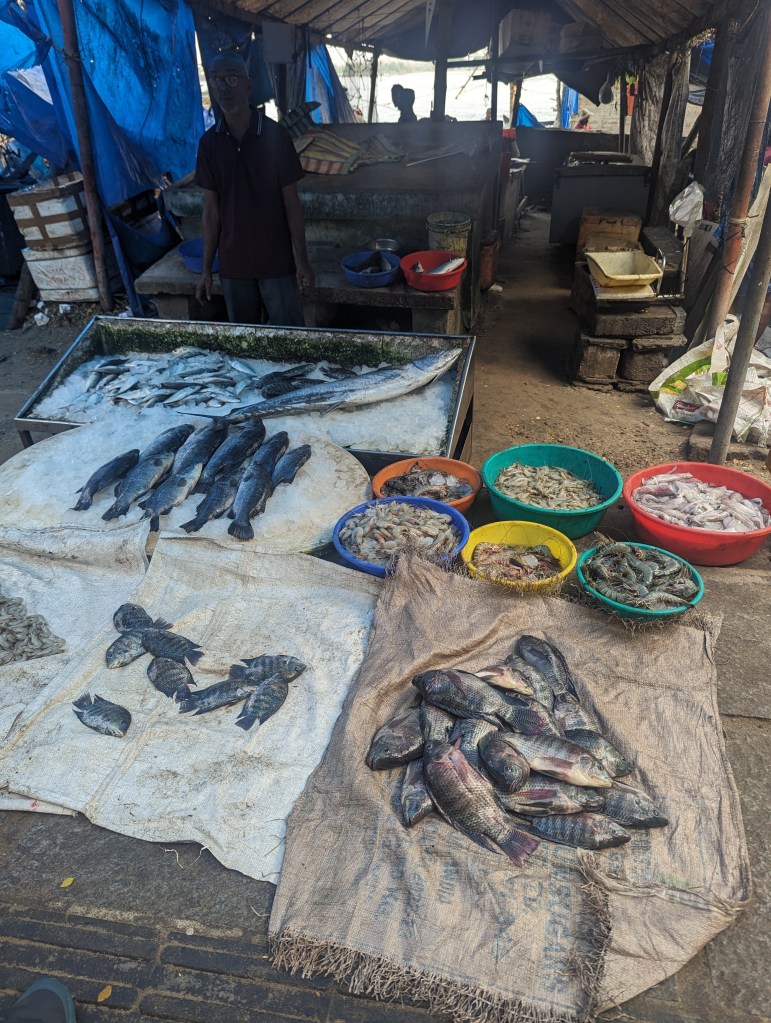
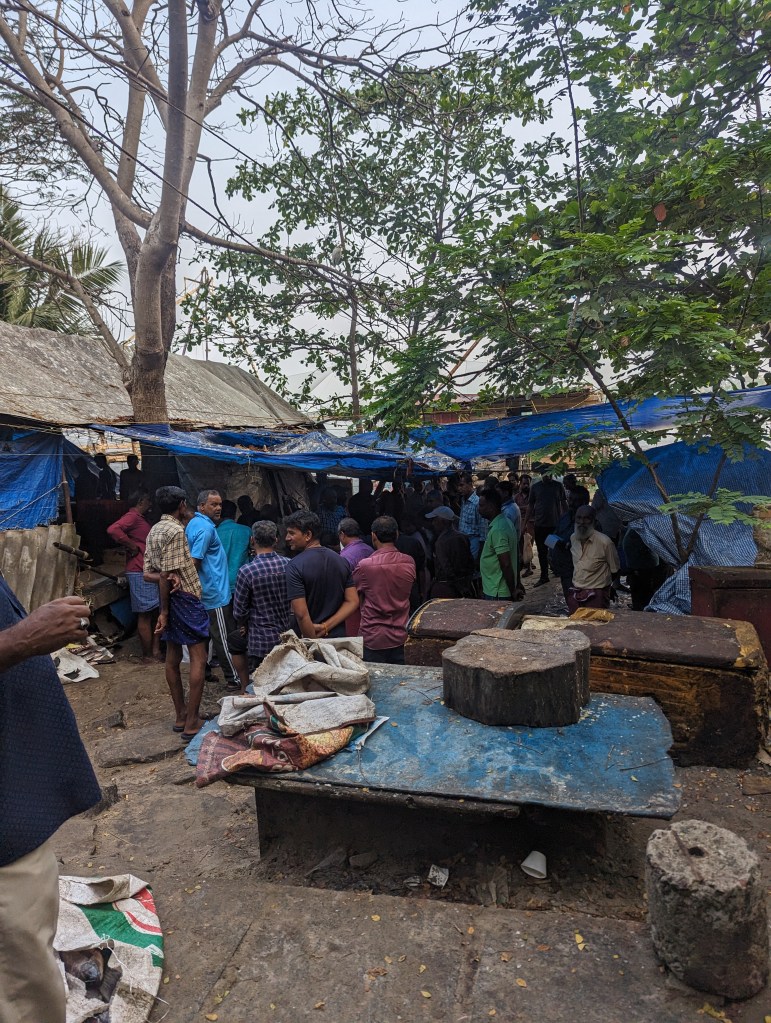
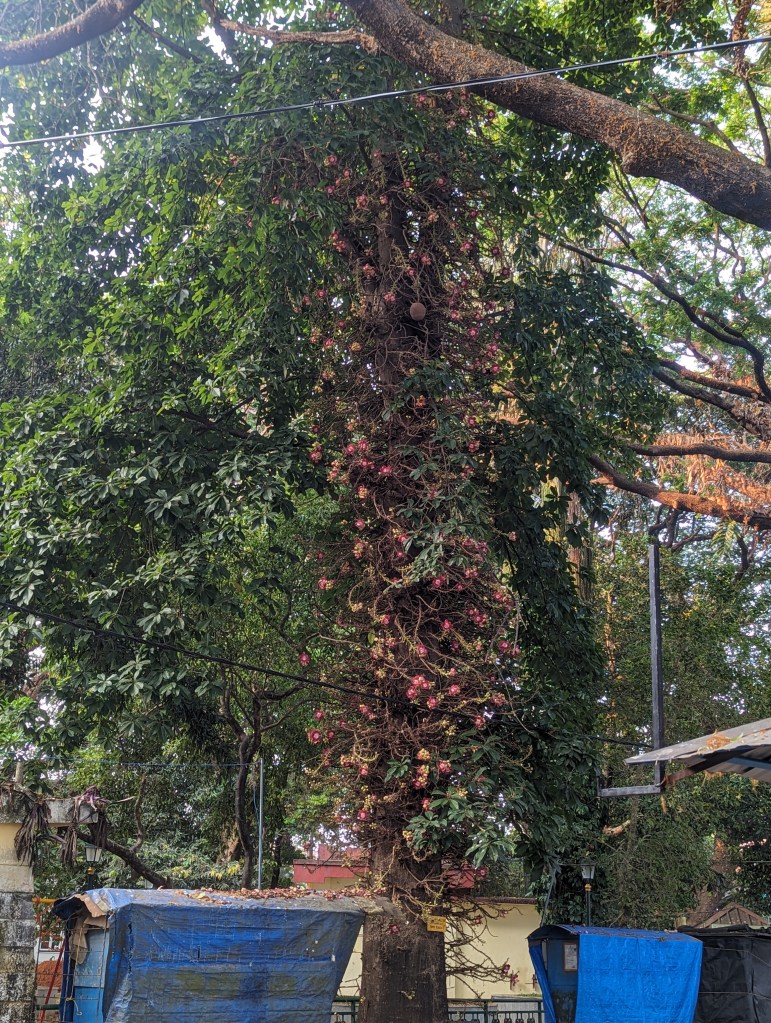
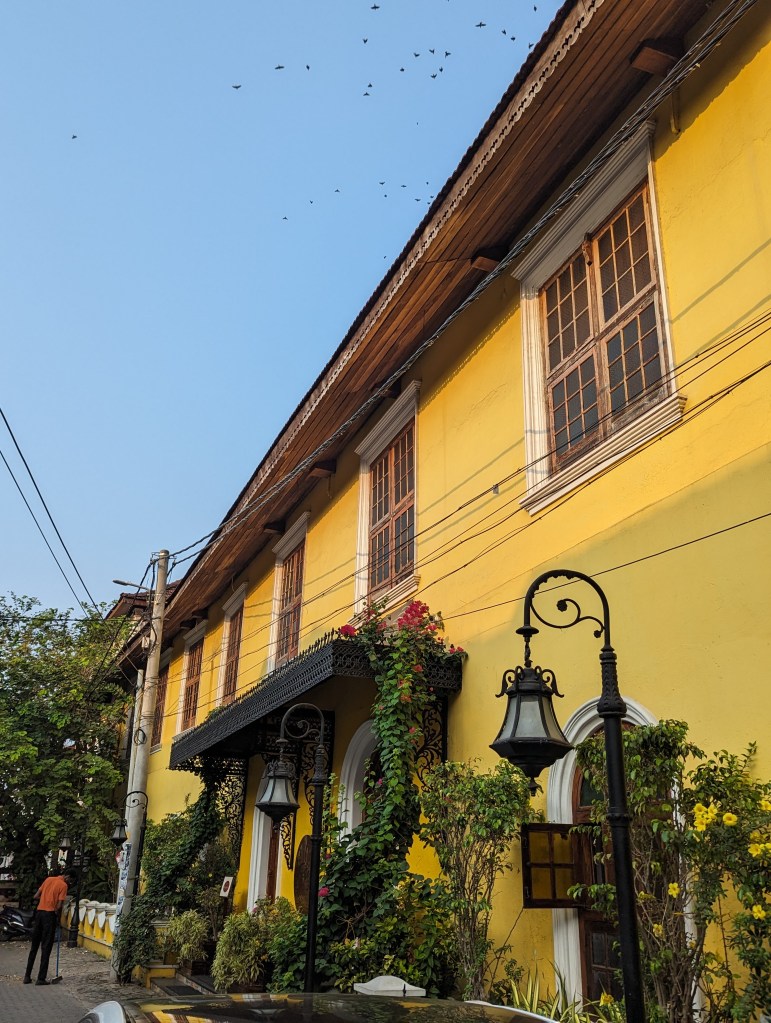
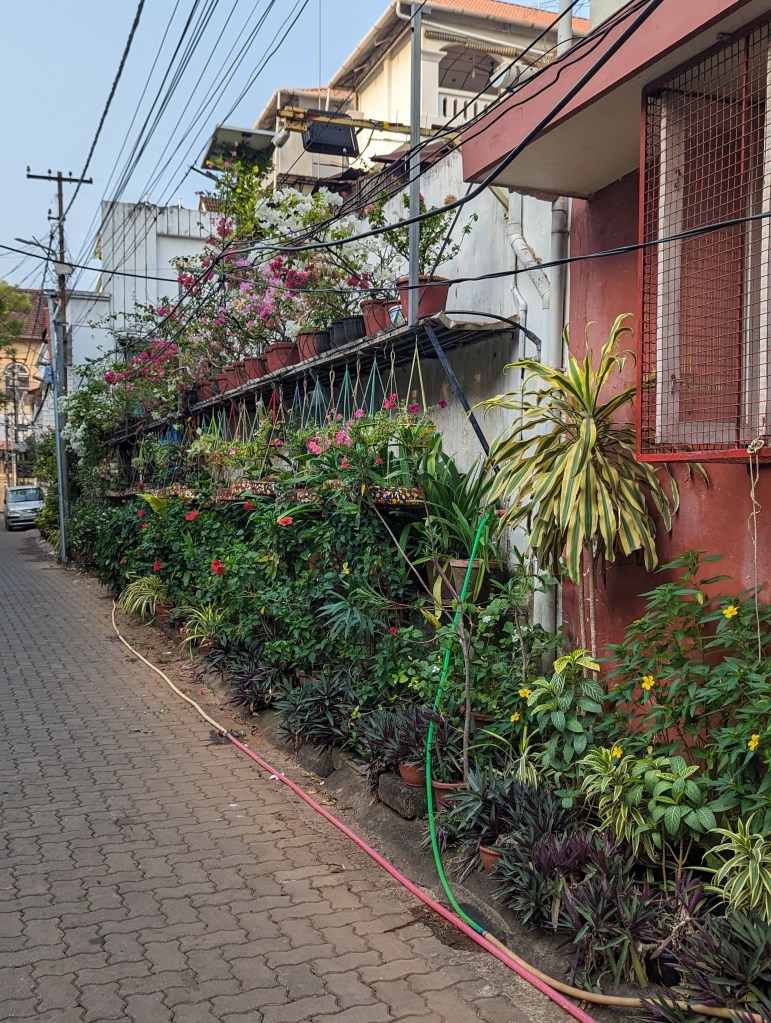
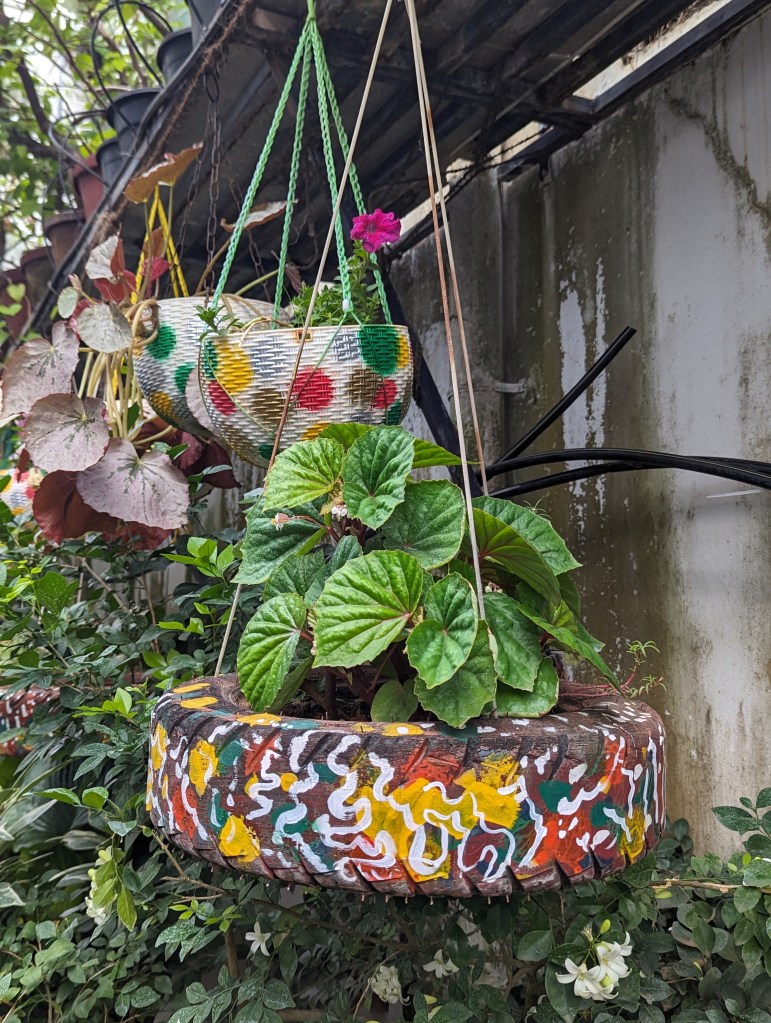
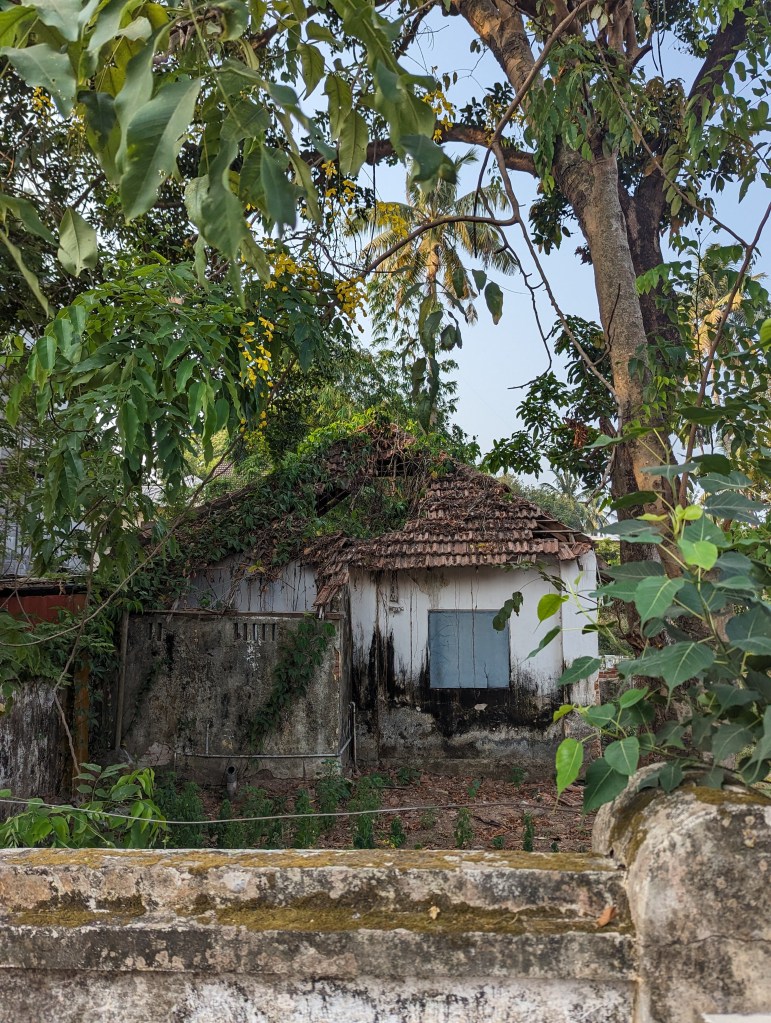
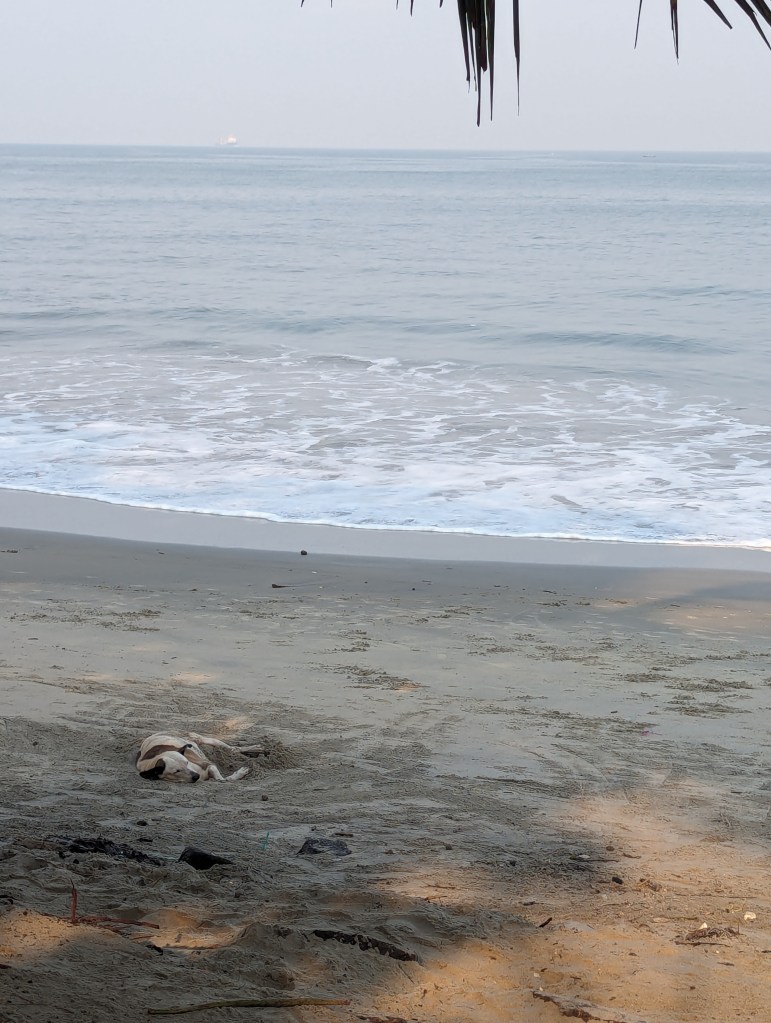
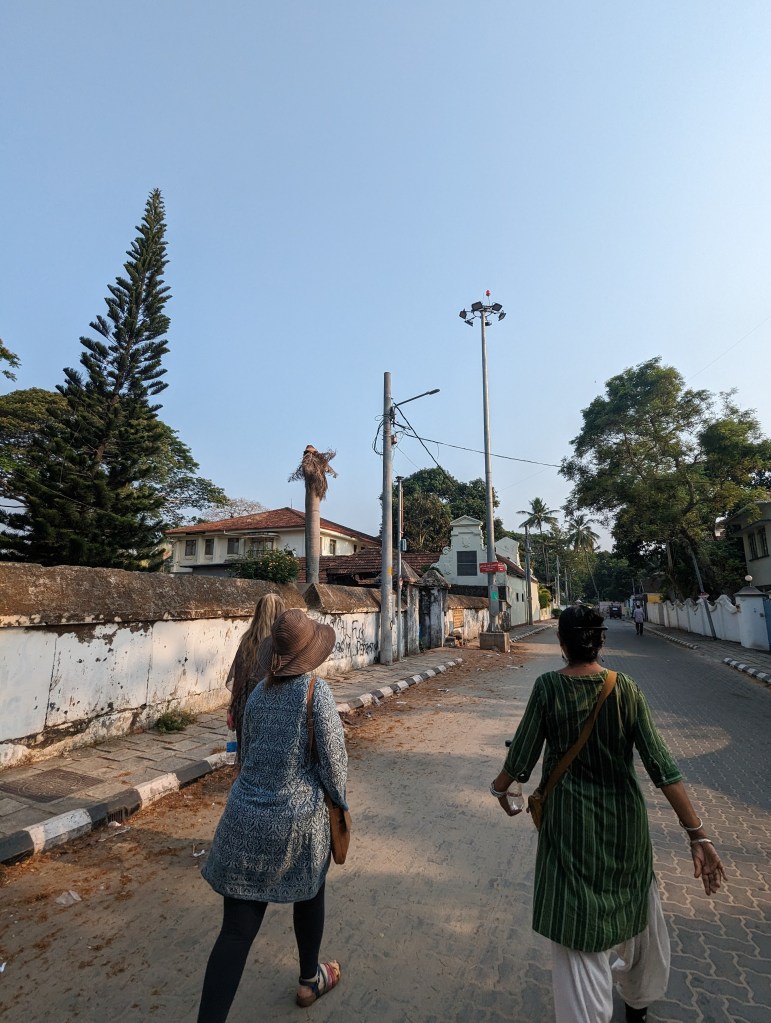
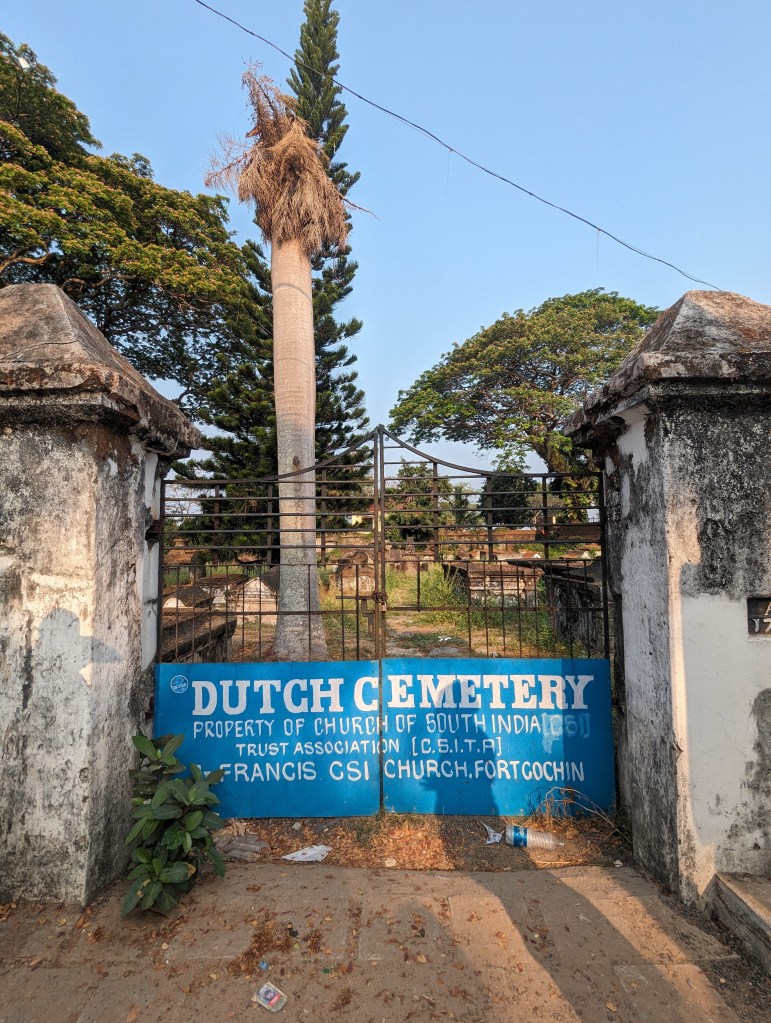
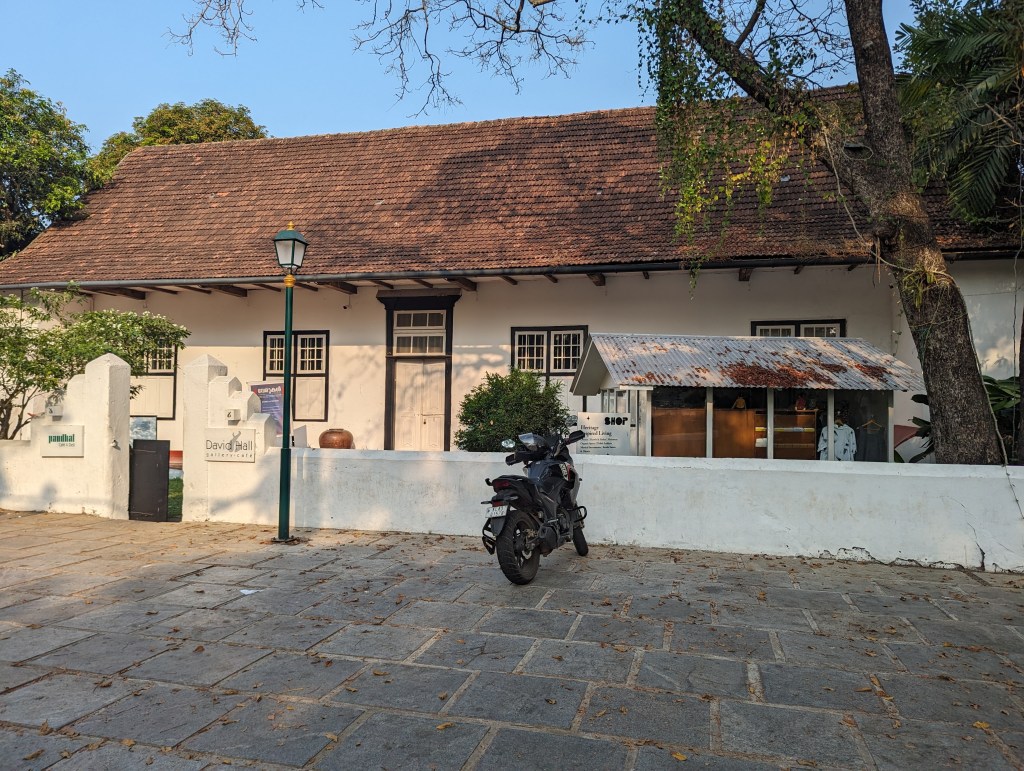

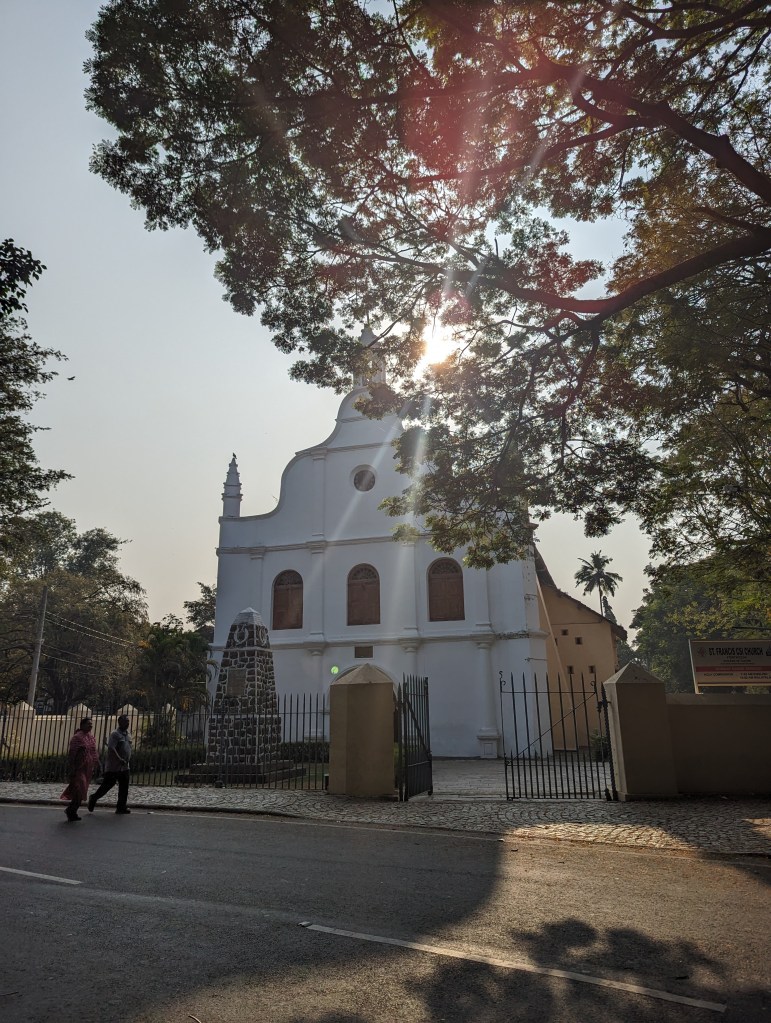
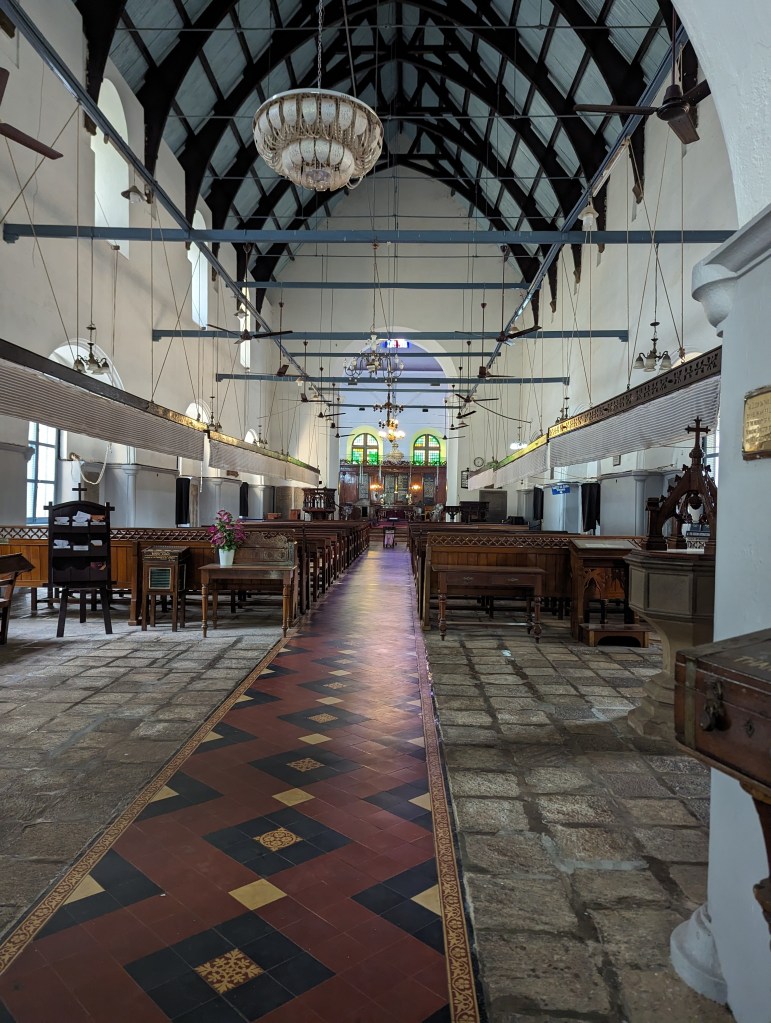
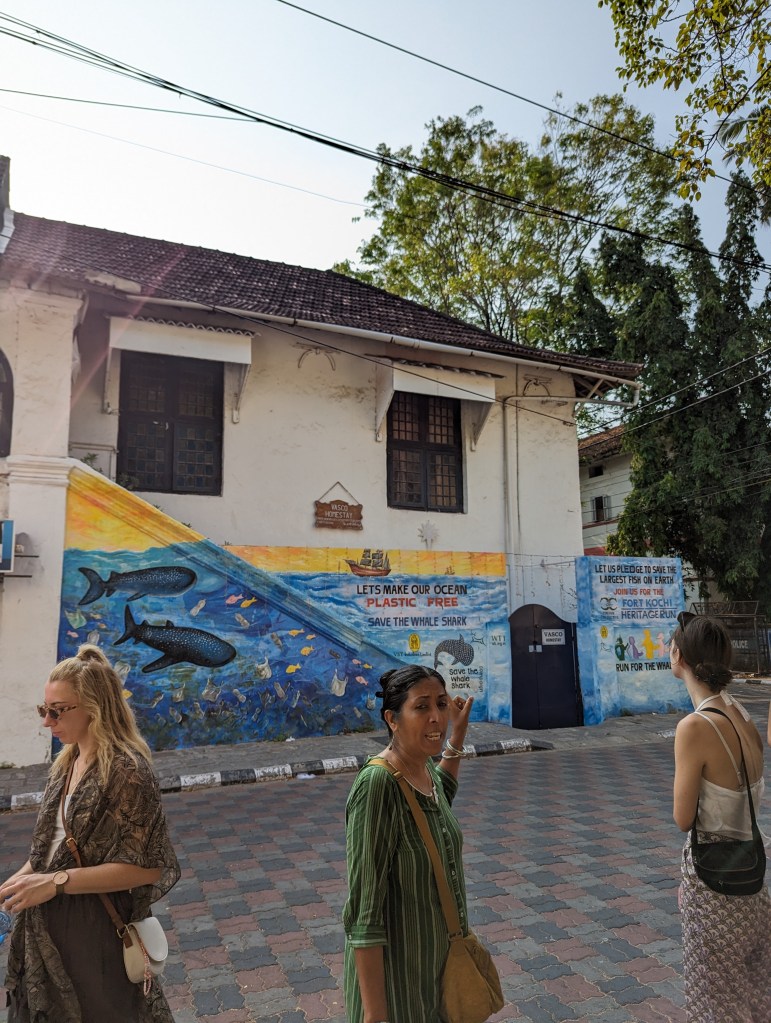
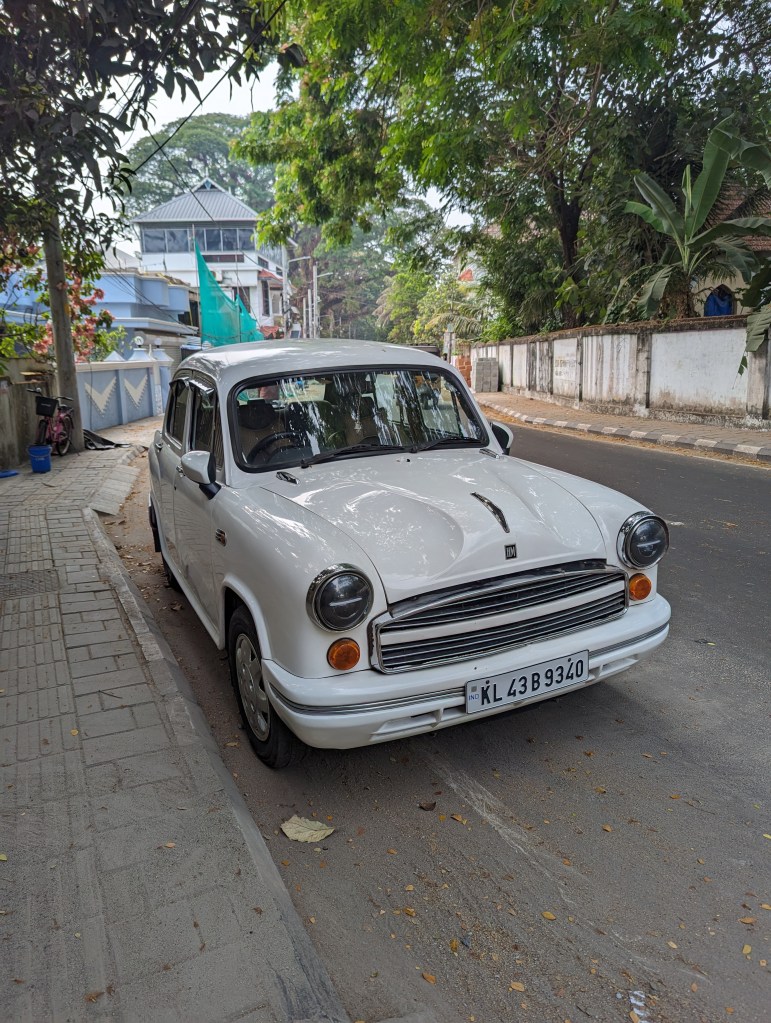
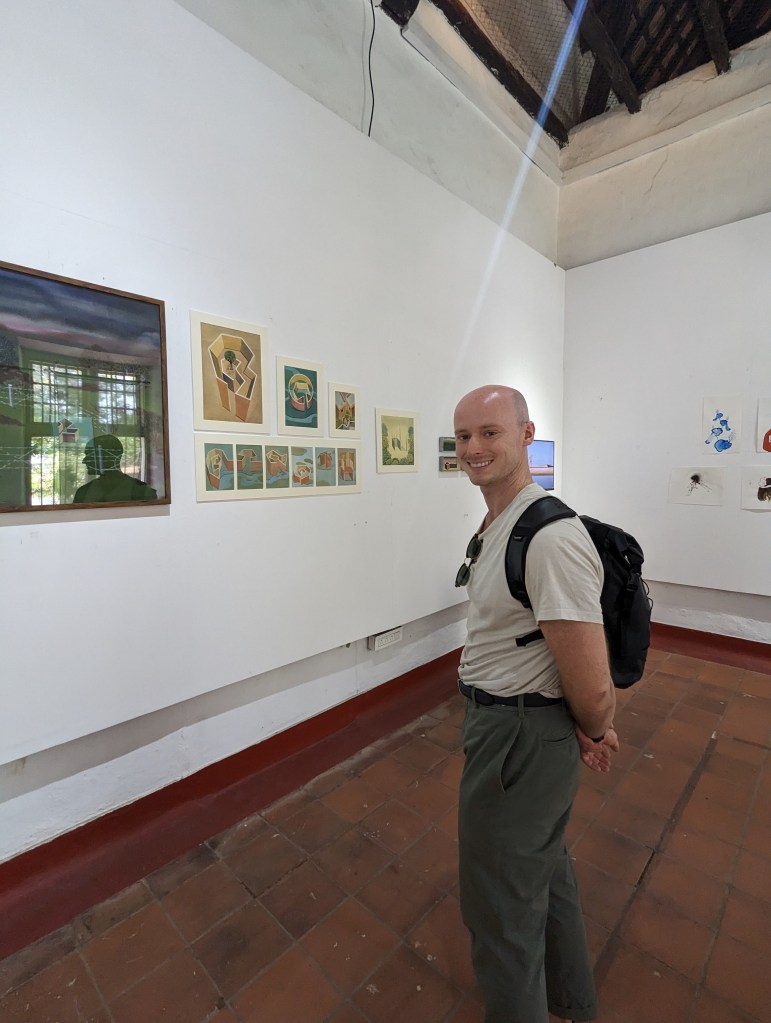
After the tour we went back for breakfast which was served on the roof of the homestay, then out again for another coffee at another cafe. Thus revitalised, the rest of the morning we spent in the clothes shops around the district. By now, we have learnt which clothes work well in the heat and which clothes don’t, and so we updated our travelling wardrobe accordingly. We ended the morning in a local art gallery which had a cafe in the garden serving delicious, if not authentic, food.
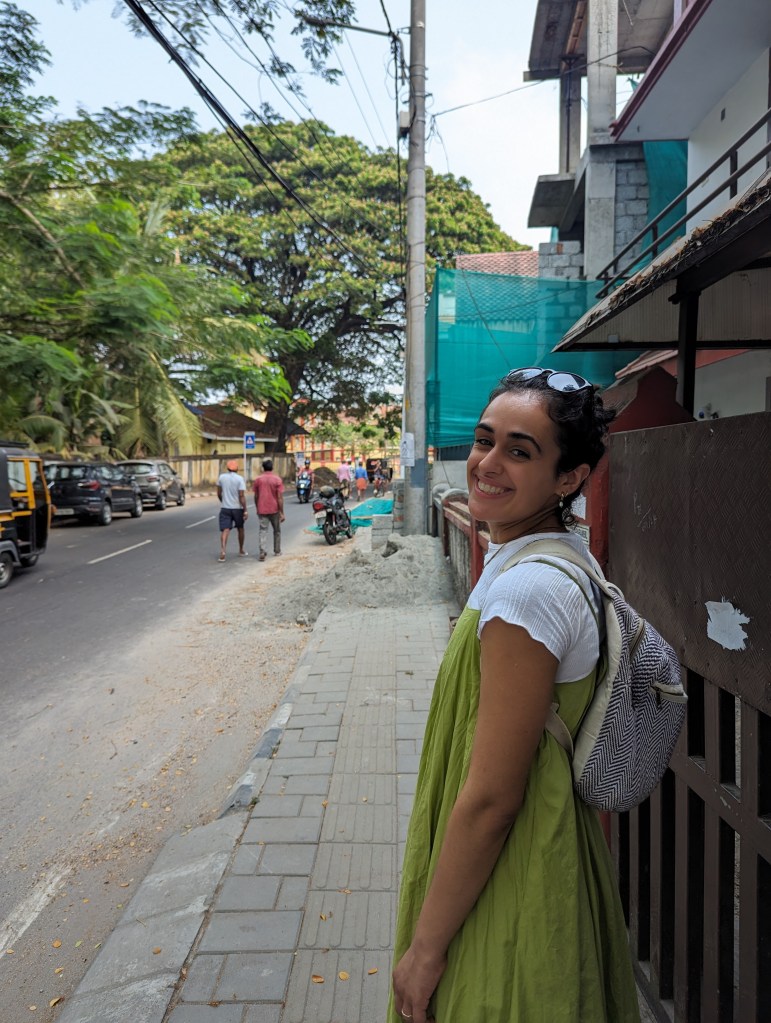
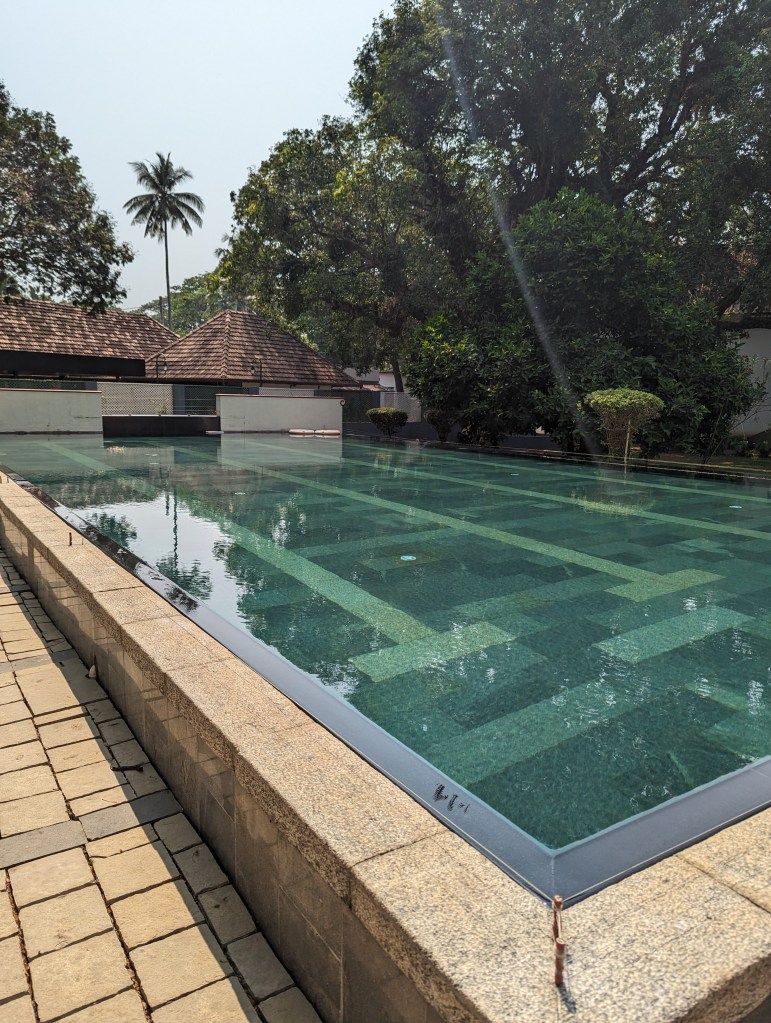
Kochi has a old British club called the Cochin Club facing out to the Arabian sea, the members of which were now the wealthy Indian families of the area. We had been tipped off that we could use the club’s pool for 500/- (about £5), and so headed there to cool off in the afternoon sun. The pool was deserted except from some thirsty egrets and crows, sparkling clean and blessedly cool. We spent a couple of hours here swimming and reading, then walked home for a rest before dinner.

Before heading out to dinner Ellie (I can’t remember where I was) was accosted by both Sheeba and Ashley who insisted that we wanted to move rooms to another room in the building as it was nicer. Despite protestations that we were perfectly happy in the room we had, Sheeba insisted that we would move the following day. We went out for dinner in a half-deserted though very well reviewed fish restaurant and came to the conclusion there was some ulterior motive behind their insistence. We had overhead another couple at breakfast complaining to Ashley that their AC was no longer working, so we theorised it was a ruse to get us into this room, or some such similar plan. We resolved to take it up with them in the morning, and headed home to bed.
Wednesday –
We steeled ourselves with breakfast the following morning then went downstairs to discuss the room change with Sheeba. In the Lonely Planet Guide, Sheeba was described as “looking ready to sign your adoption papers”, which held about true to our impression. She insisted, however, that today they would move our things into the new, better, room. Eventually I asked why they were so insistent when we were sure we didn’t want to move, and she replied that they just felt we would prefer the room. She showed us this new room, which was nice to be sure but not much better than ours. We made one more attempt to dissuade her, and to our surprise she relented amicably. To this day the whole interaction remains a mystery to us, but there seem to be no hard feelings and we didn’t return to find our belongings moved anyway.
The other tourist areas on the Kochi peninsula are Jew Town and Mattancherry, which to all intents and purposes are the same place given their proximity to one another. We set out to walk there on Wednesday morning, passing by a recommended lassi stall on the way. The walk was hotter and noisier than expected, with the road clearly being one of the busier highways in an otherwise relatively quiet city, and it was a full 30 minutes before we reached the lassi stand. The day was incredibly close and humid, and we had both had about enough of the car horns and side-stepping rickshaws that walking down Indian streets necessarily involved. The lassi shop, just a counter on the side of the road, was a welcome relief. The lassi (which is a sweetened yoghurt drink) was ice cold from the fridge, and was infused with cardamon and cloves.
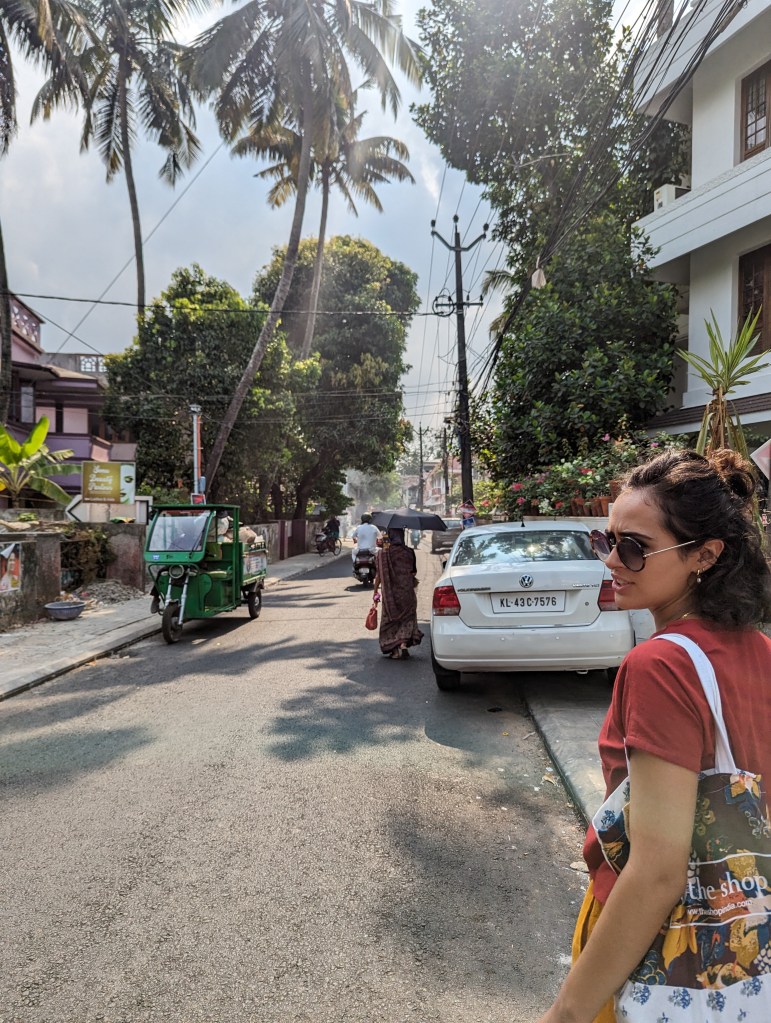
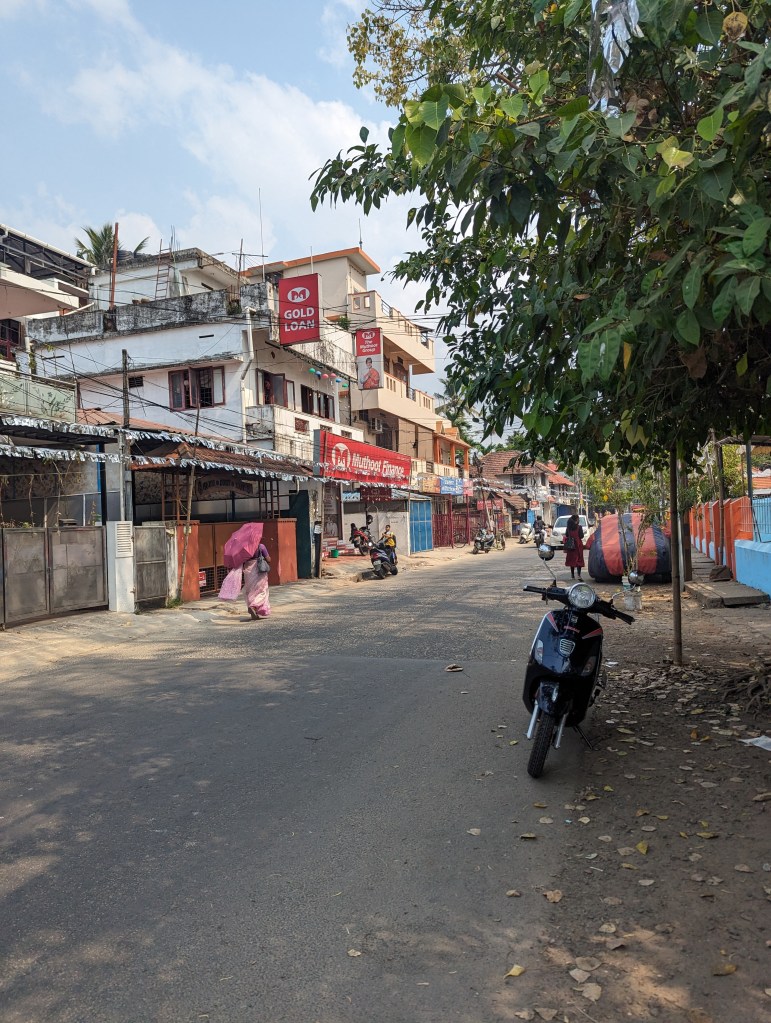

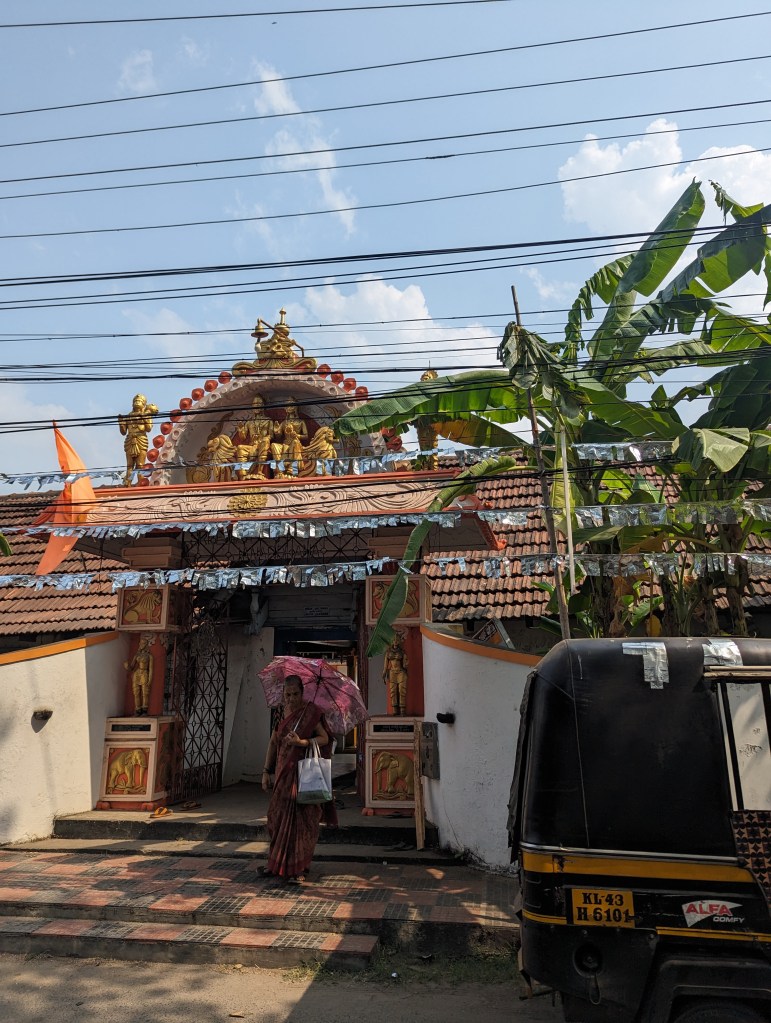
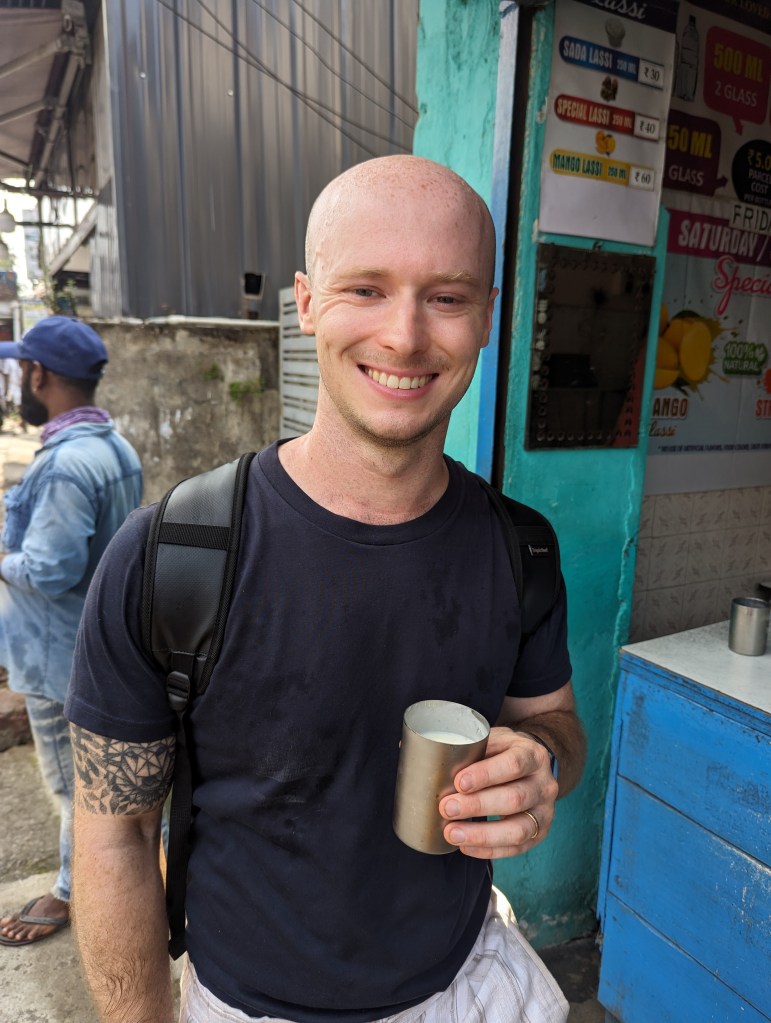
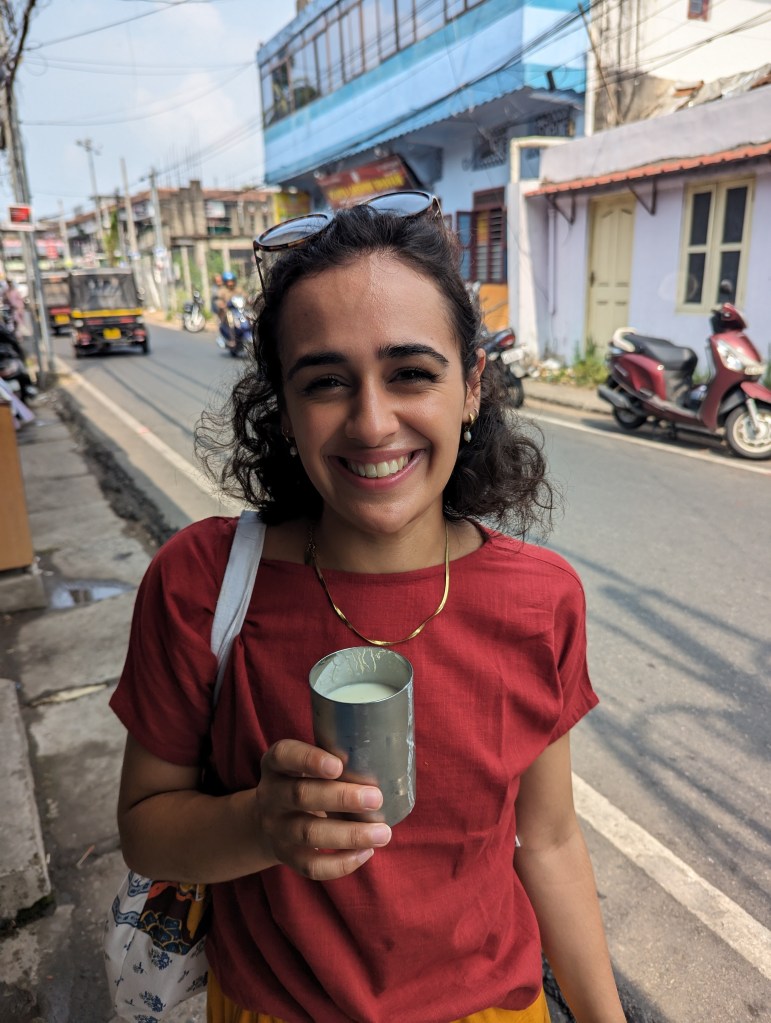
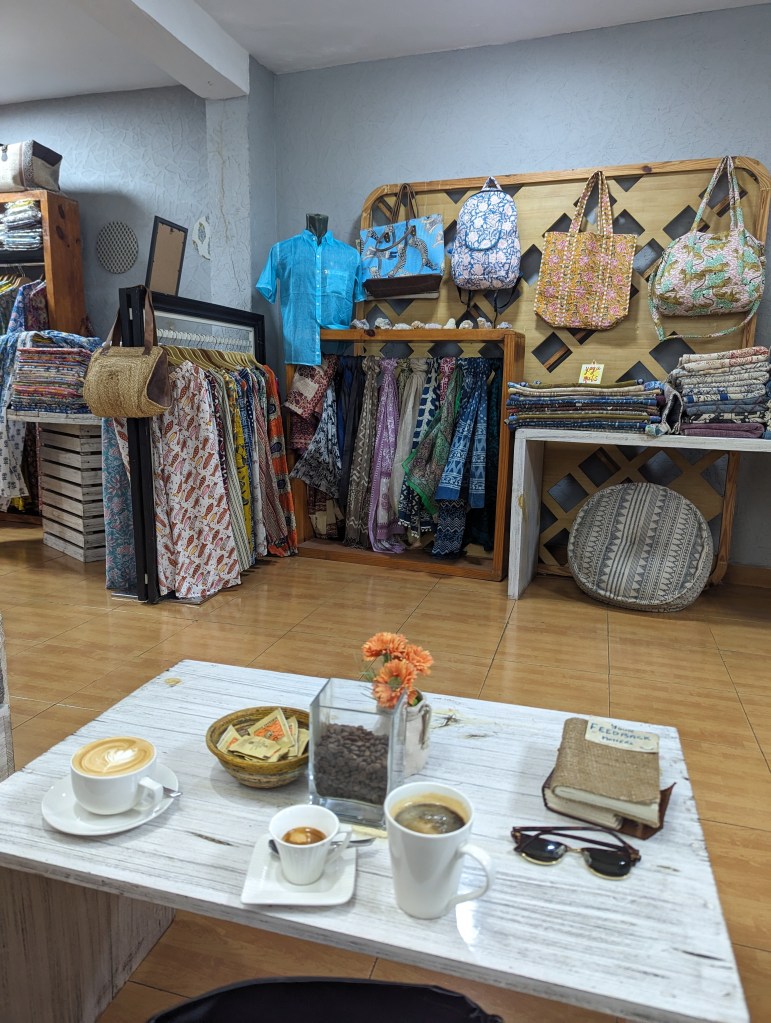
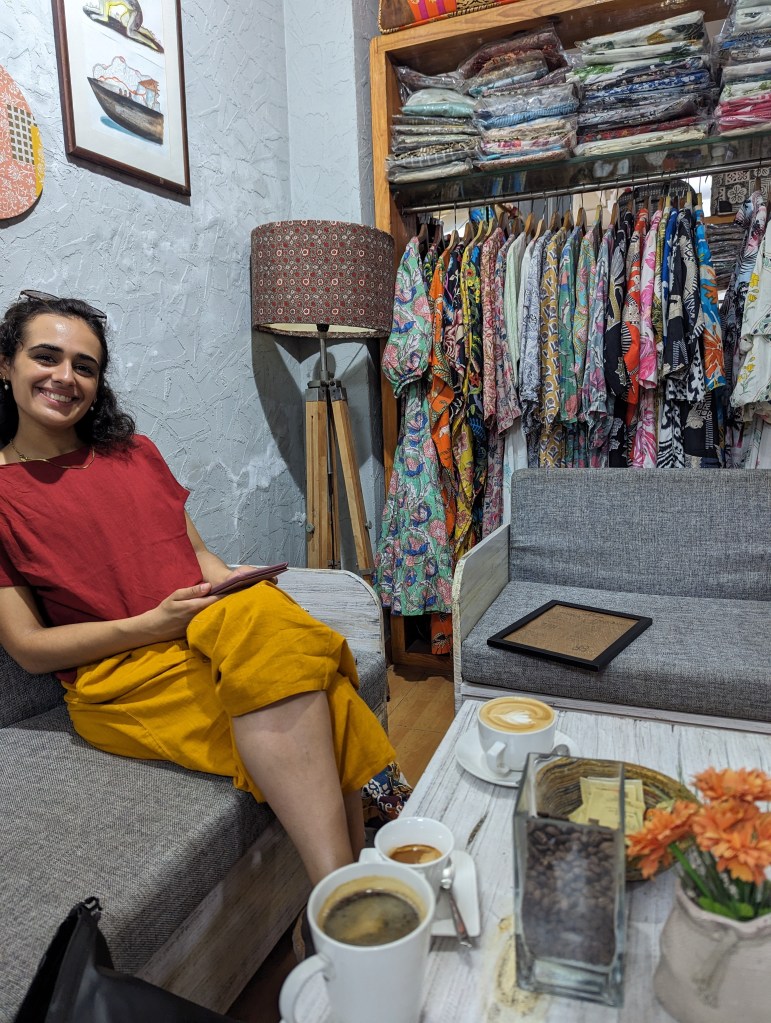
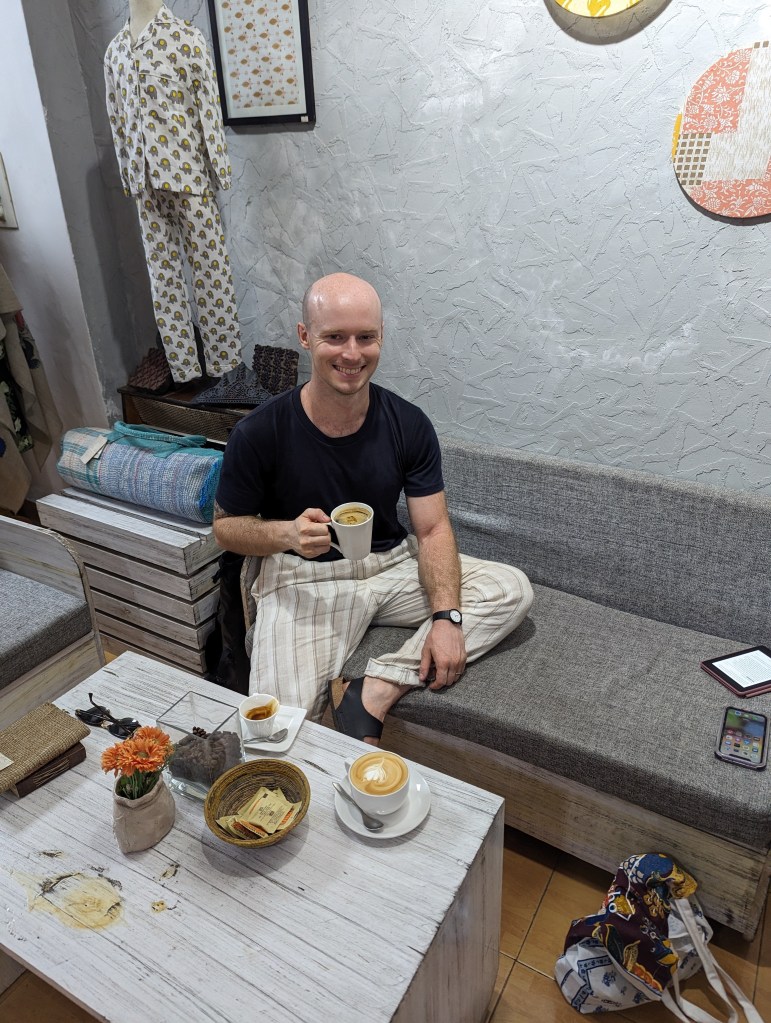
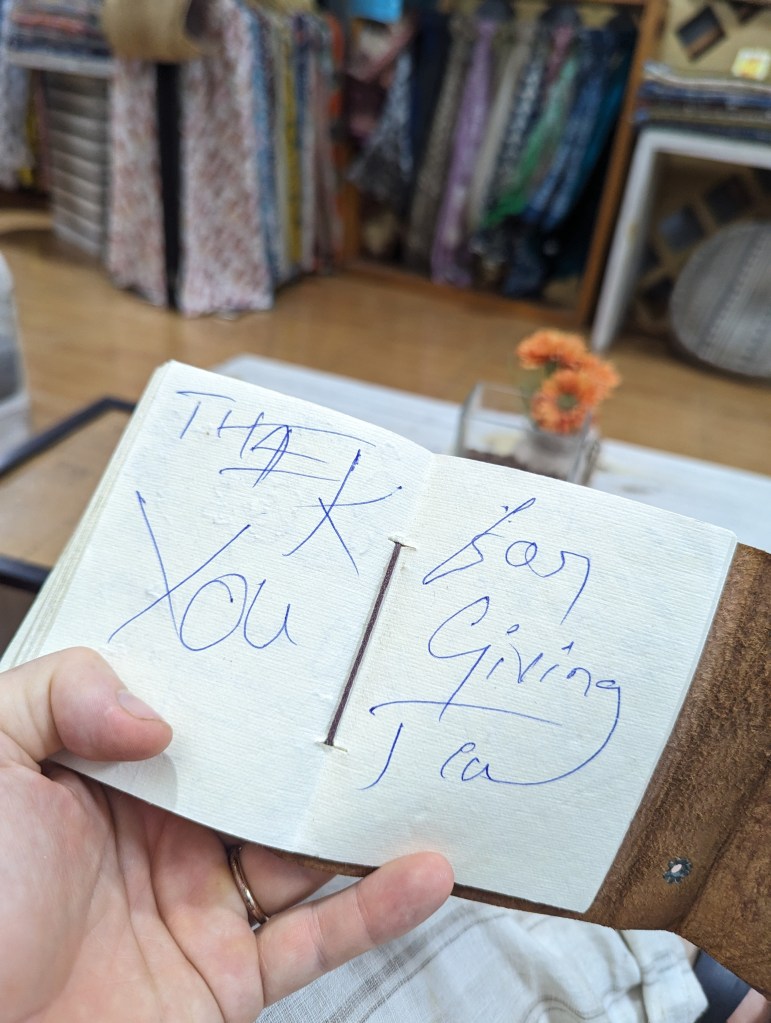
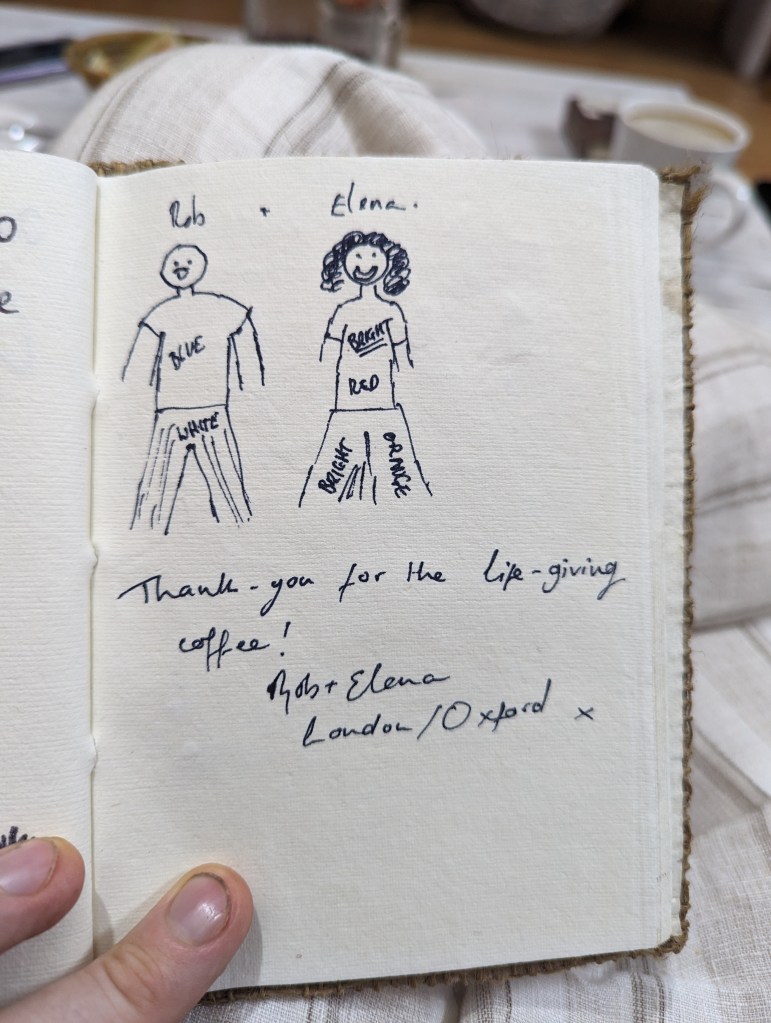
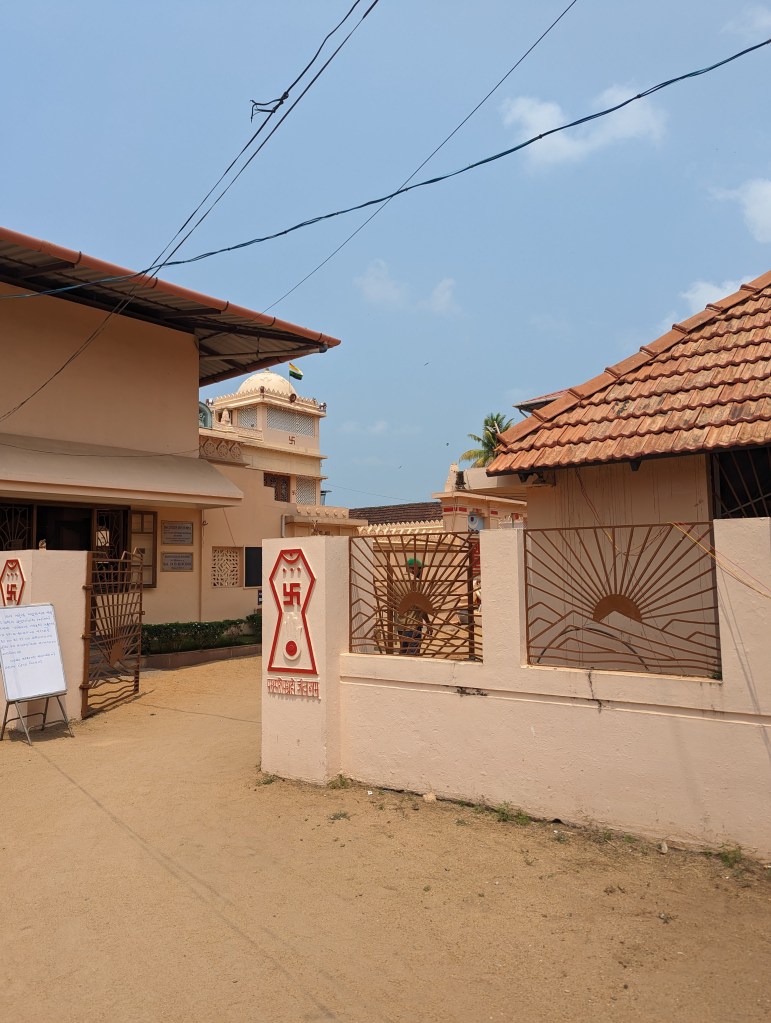
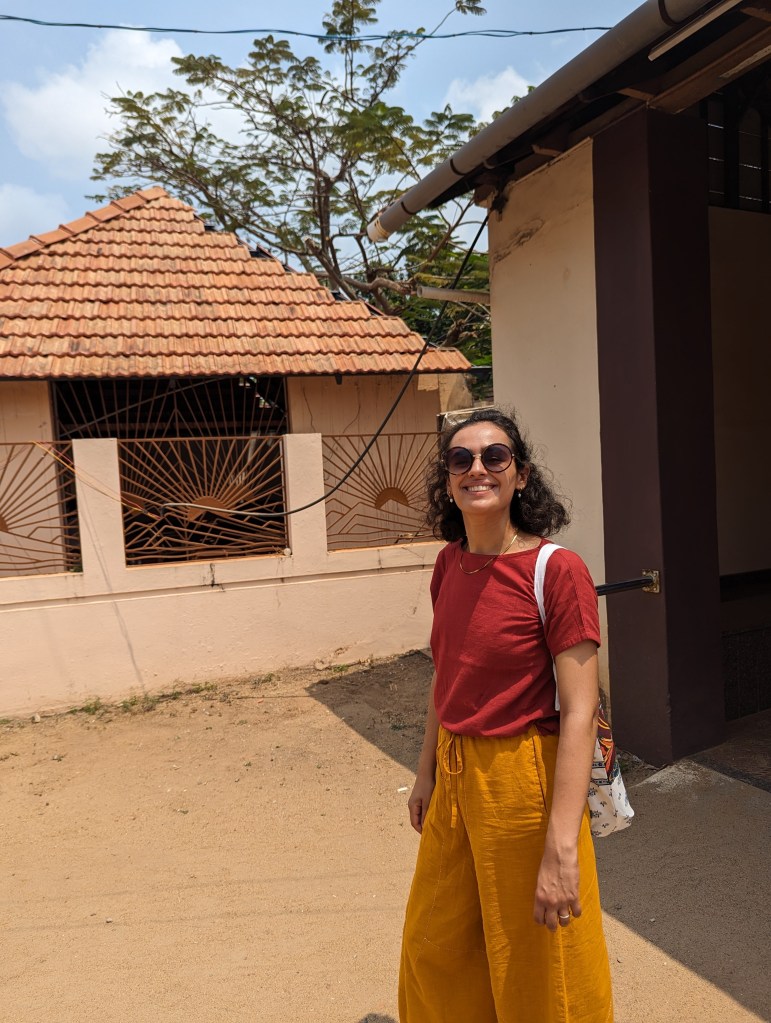
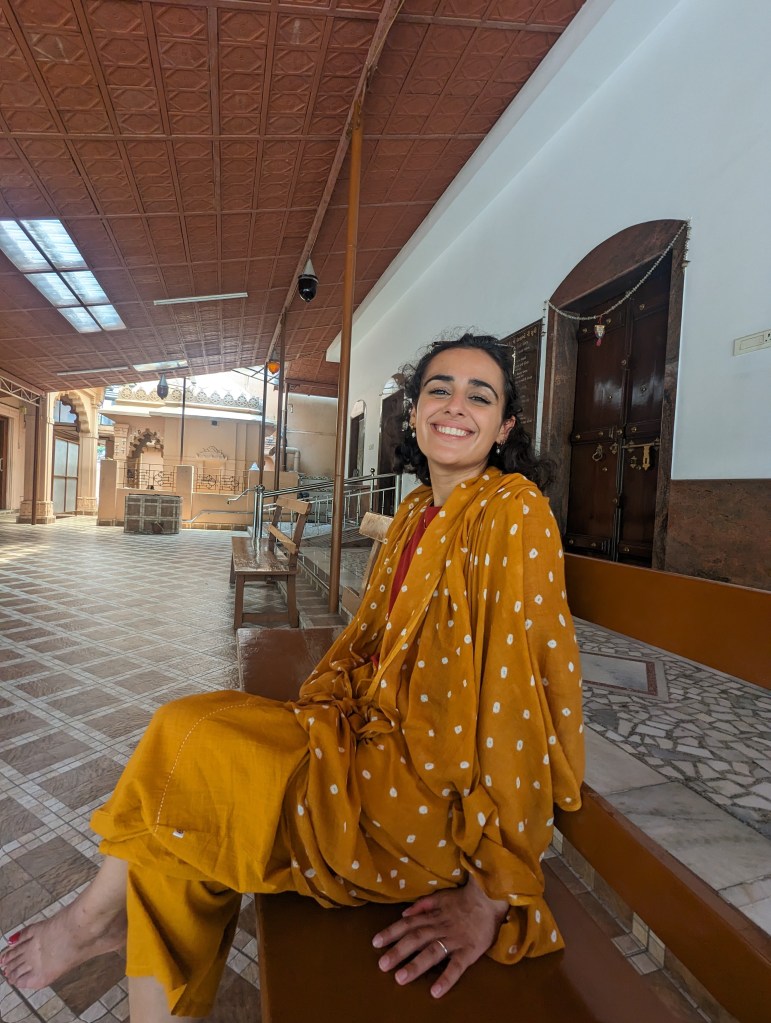
A little further down the road we reached Jew Town and ducked into a cafe/clothes shop for the obligatory mid-morning coffee. We sat at a little table in the middle of the quiet shop and had probably the best coffee of the trip to date. Buoyed by both lassi and coffee, we headed back out into the heat of the day. We walked 20 or so uncomfortable minutes to a local Jain temple where they made a show of feeding the local pigeons at midday each day. We were shown around the temple complex, which still liberally uses the swastika as a religious symbol, then given a handful of grain each to feed the pigeons with. Ellie thought better of it, but I joined the middle-aged women also there assembled in letting the pigeons eat from my hands.
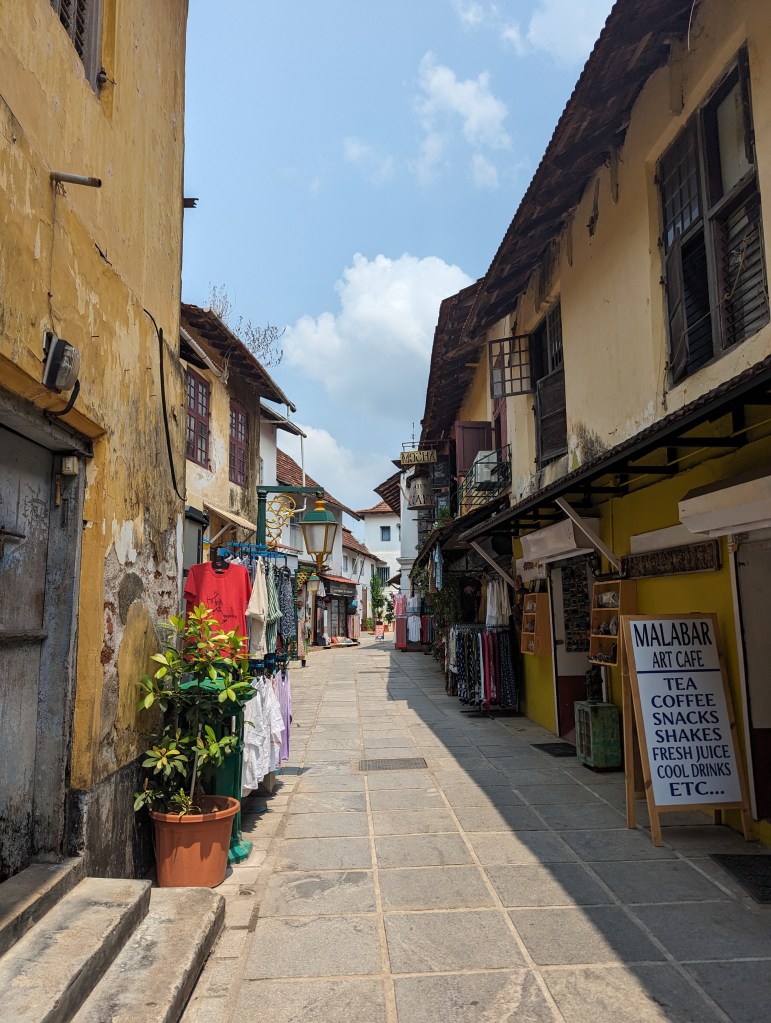
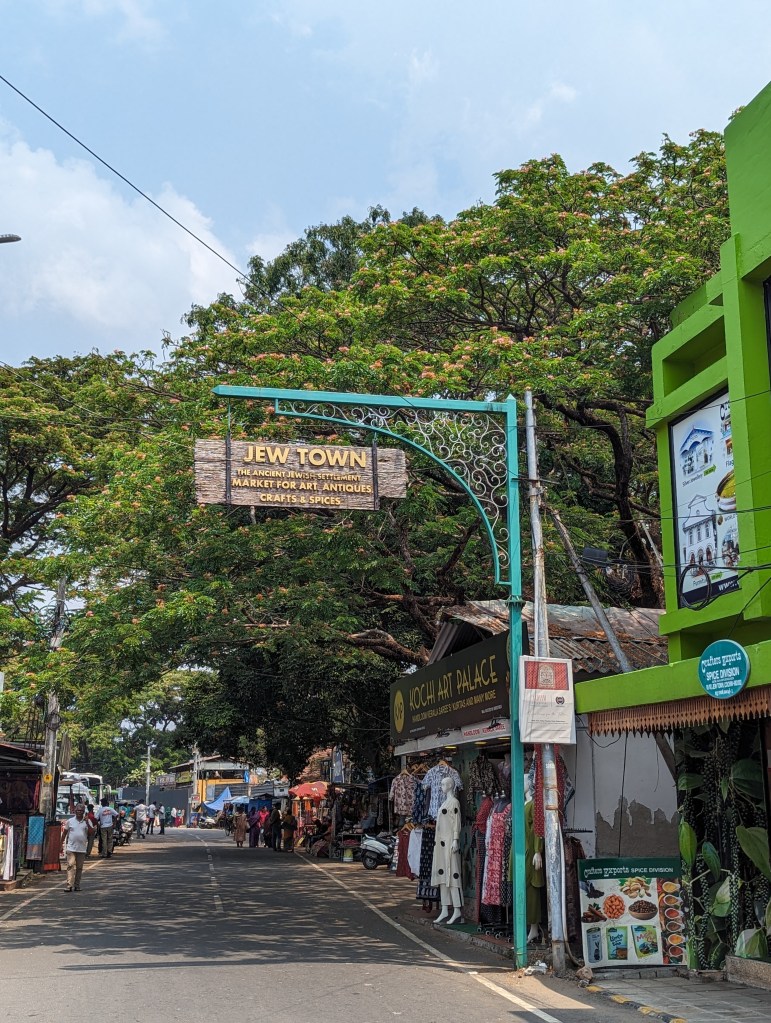

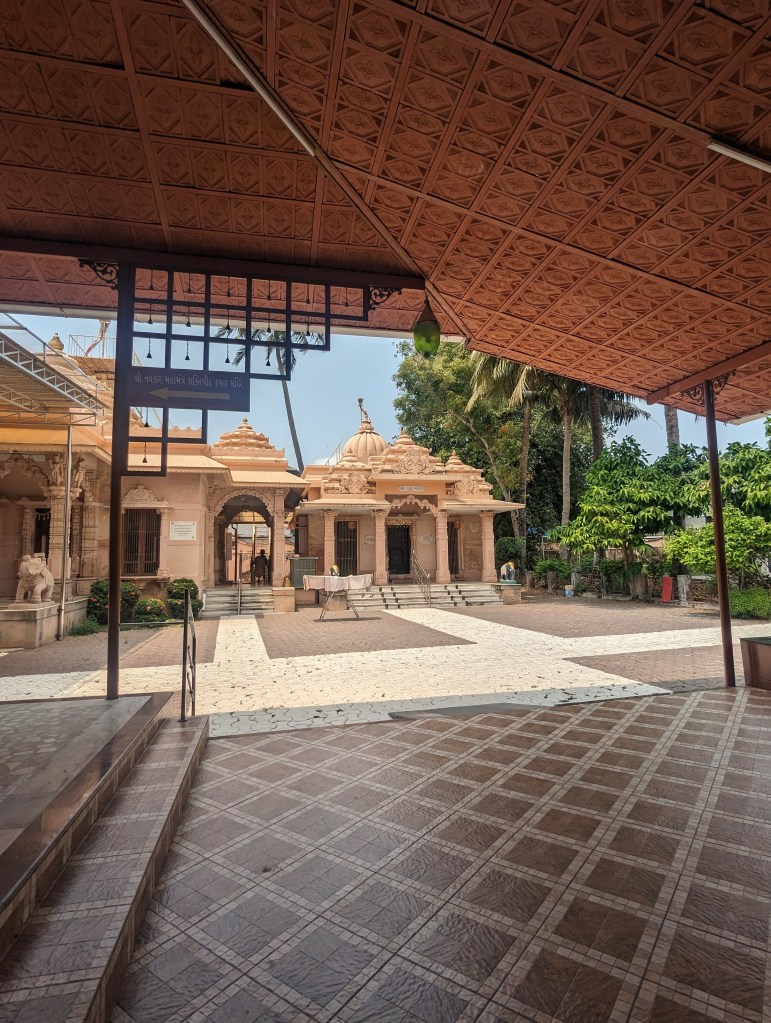
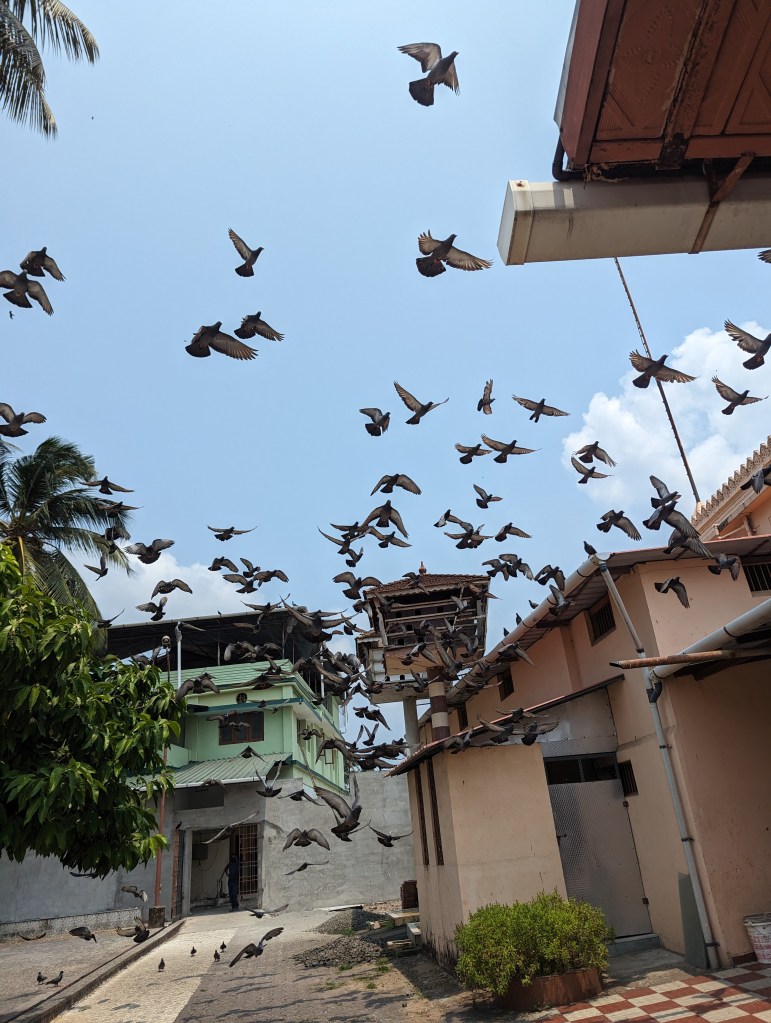
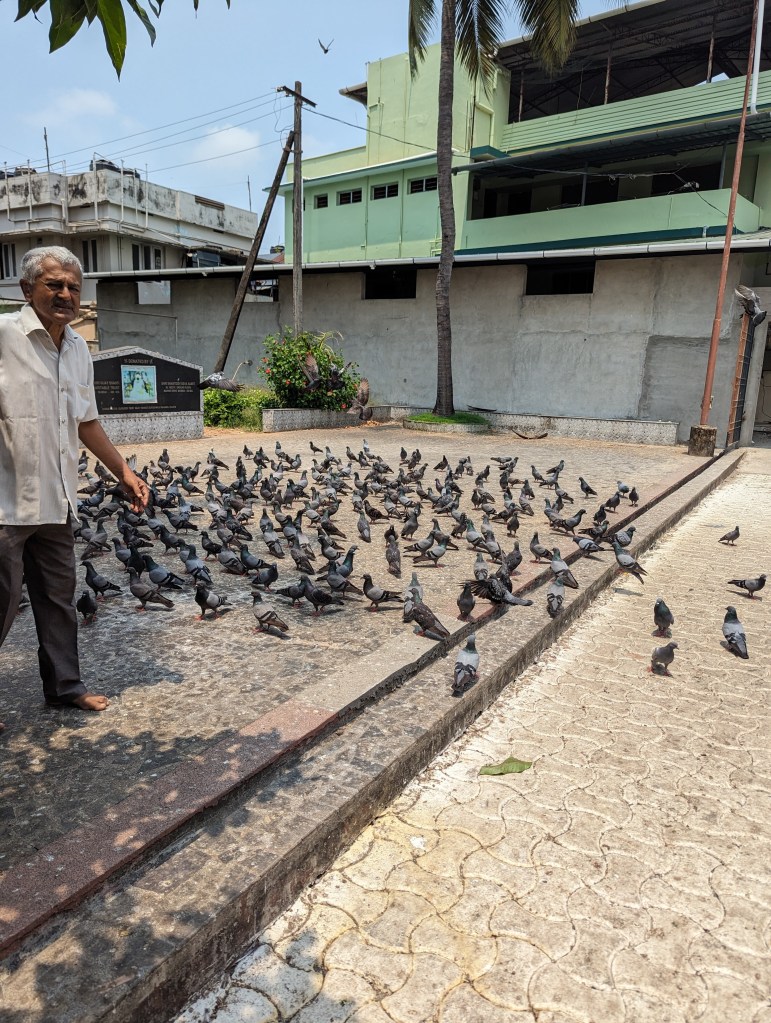


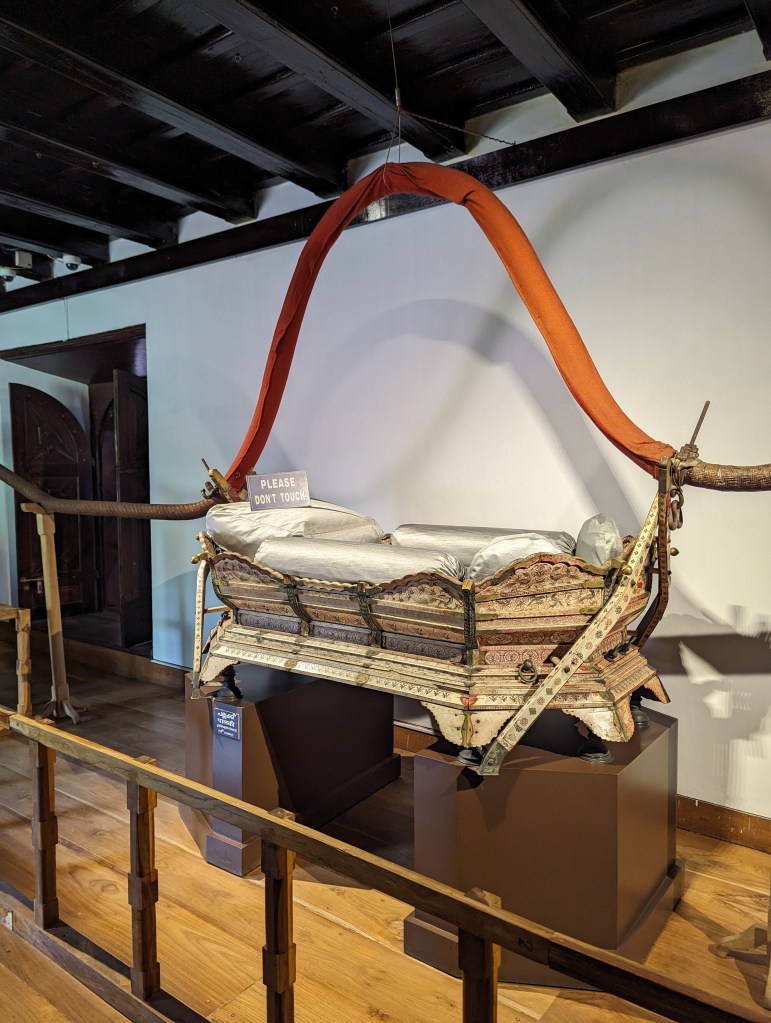
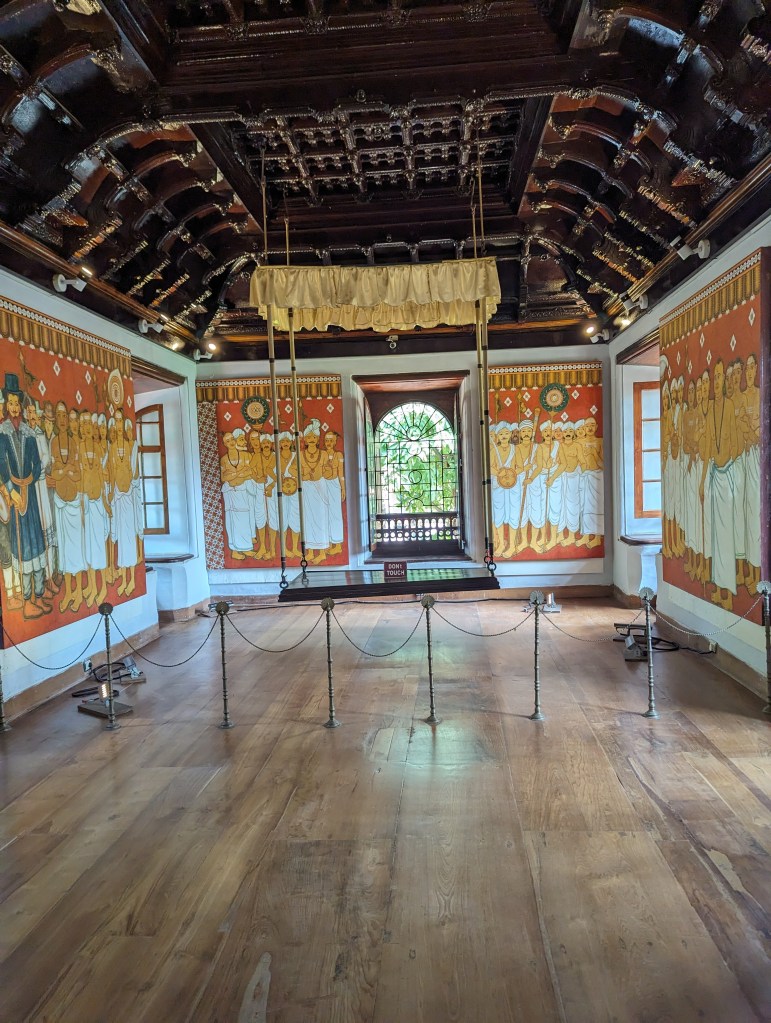
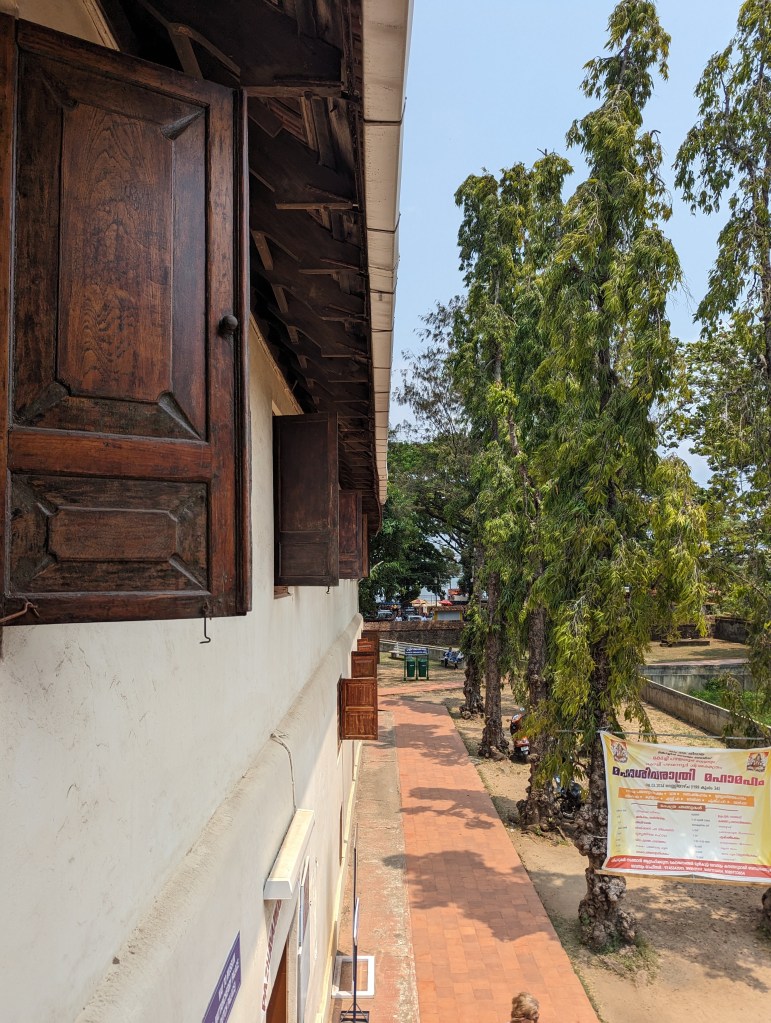
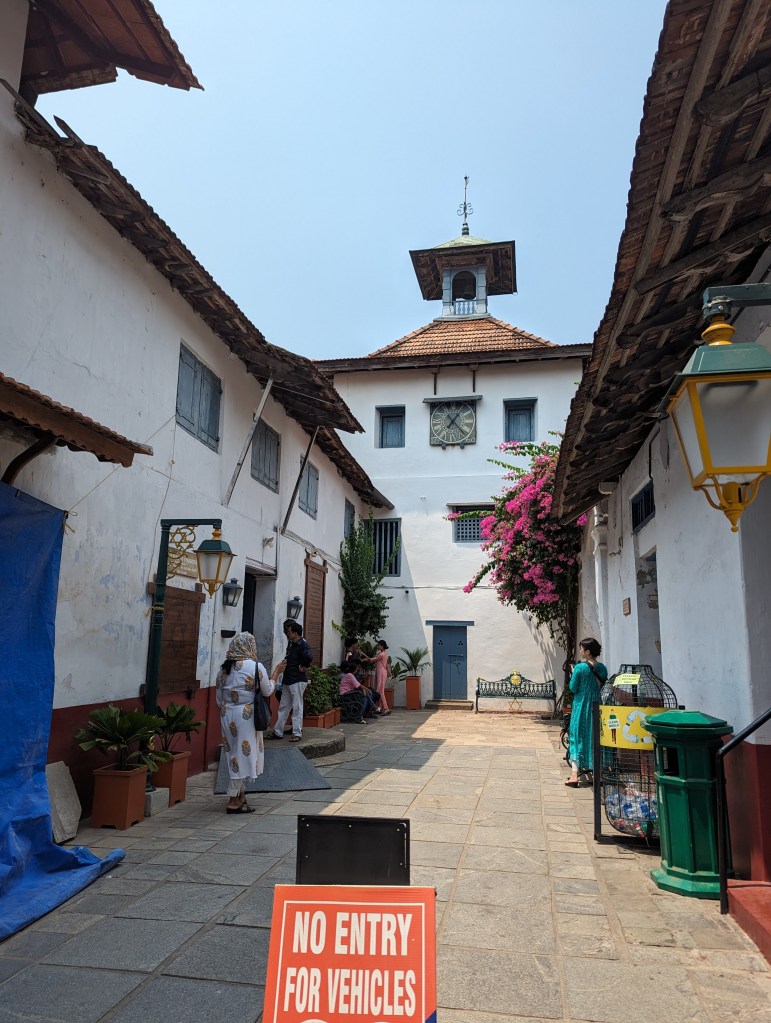
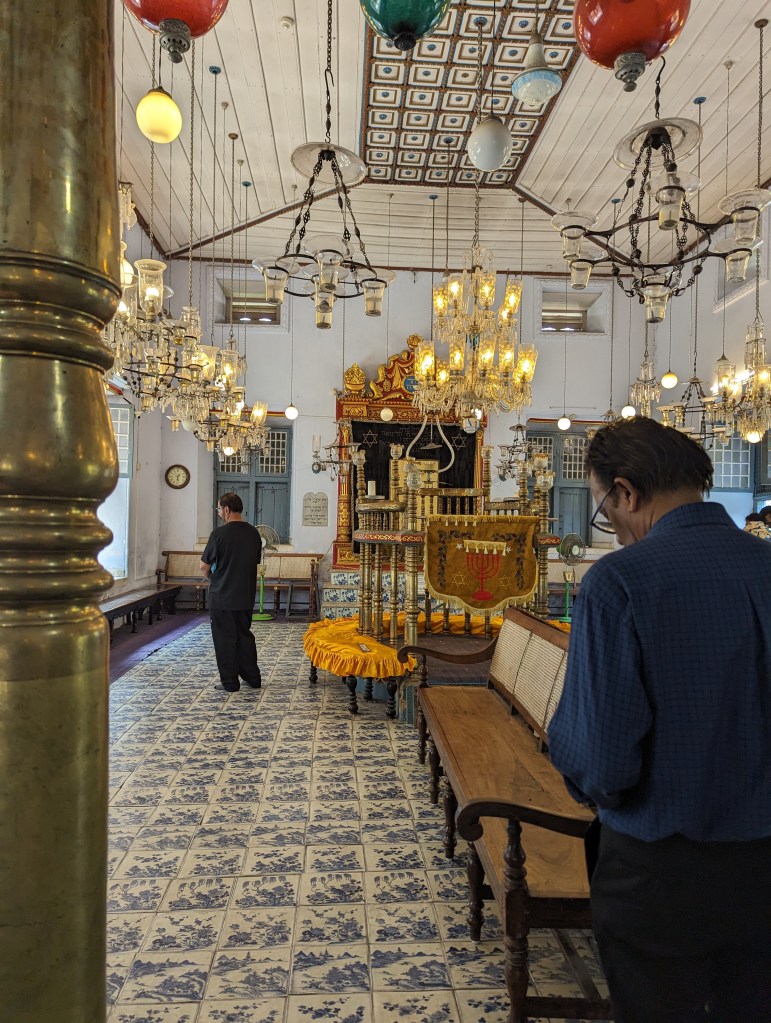
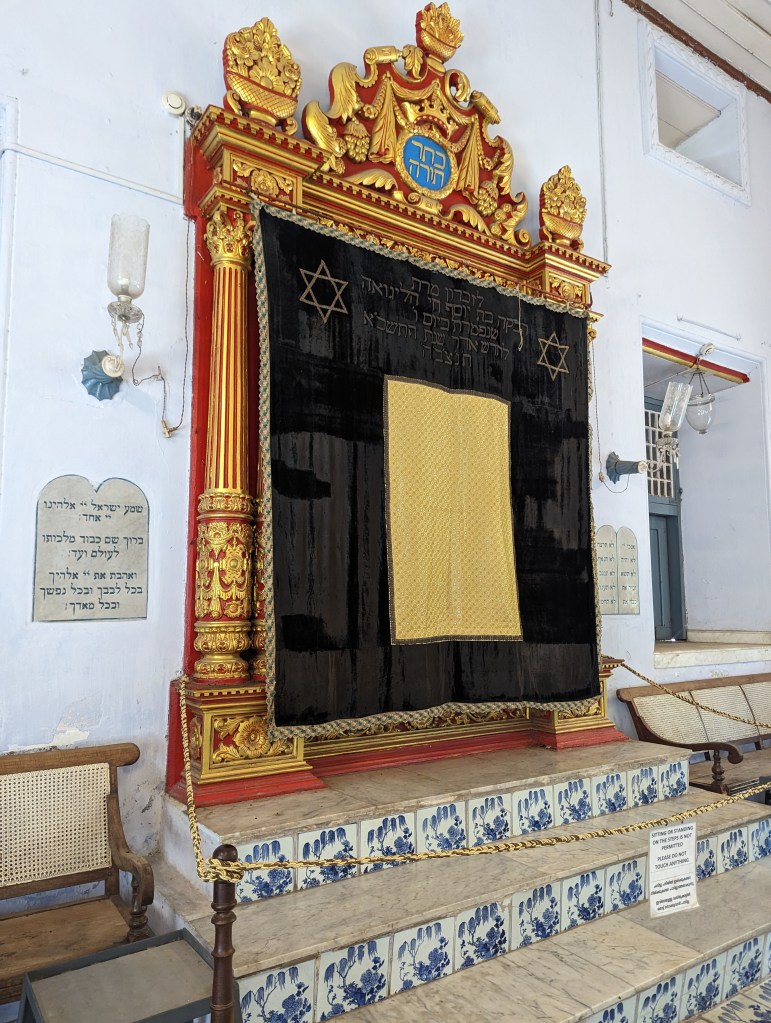
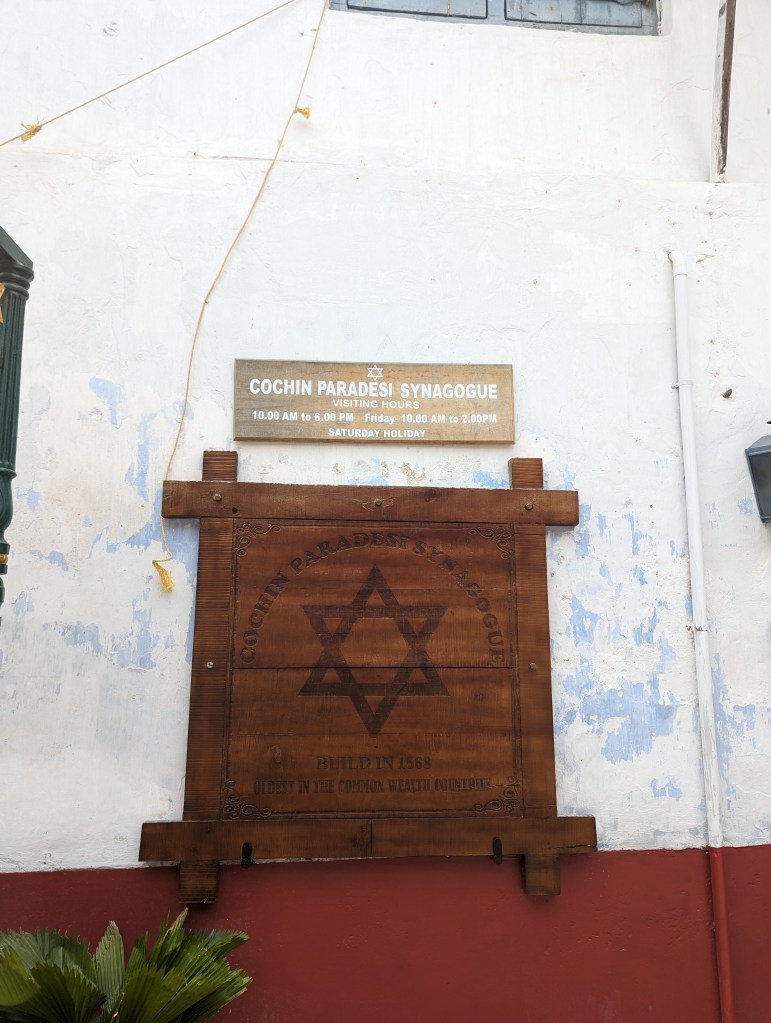
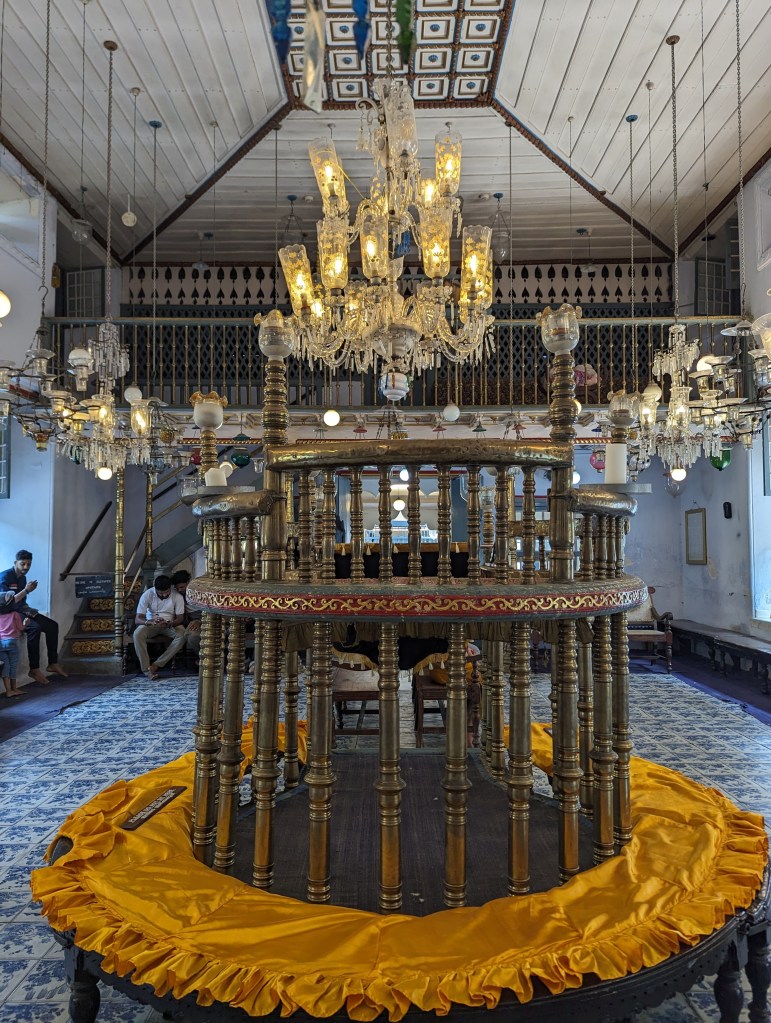
We rickshawed back to Jew Town to avoid heat-stroke, and walked around the Mattancherry Palace. Outwardly relatively unimpressive, it was the palace of the local royal family during the British rule. The palace displayed wonderful wall drawing depicting Hindu scriptures like the Ramayana, and other assorted artifacts and old portraits of the royal family. From there we walked around the corner to the Paradesi synagogue which was built by European Jewish settlers in the 16th century. The synagogue is just about still in use, though the Jewish population in Kochi has nearly all since left.
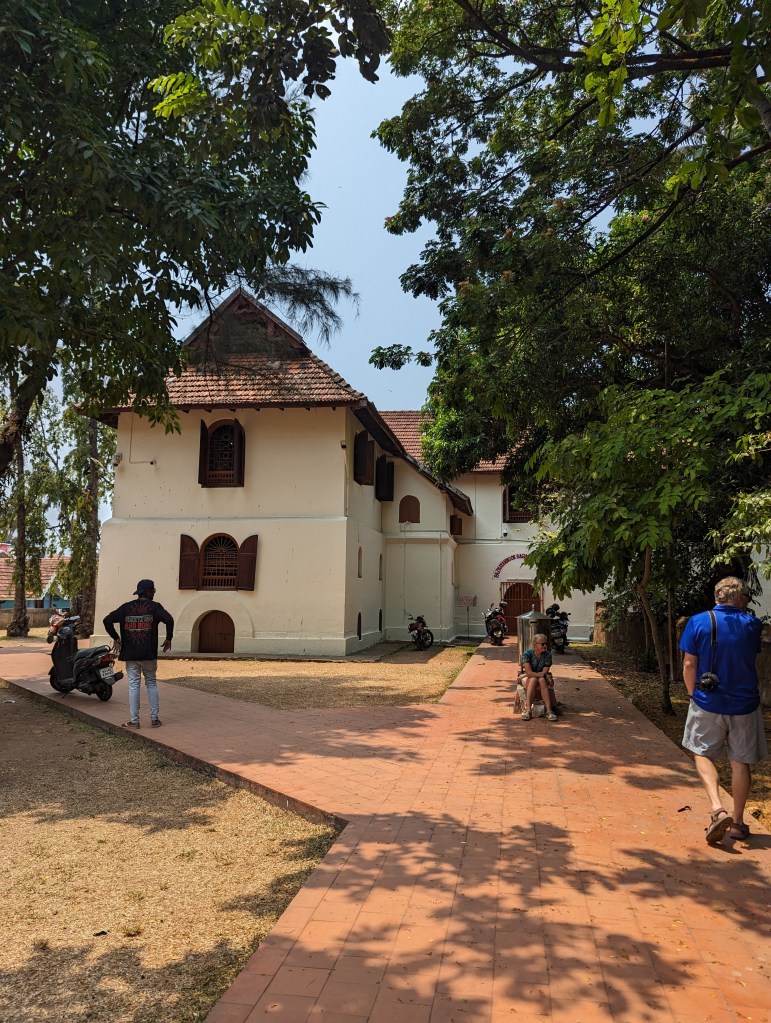
We ate lunch in a local cafe, then walked to the “SPR perfume museum” just down the road. In actual fact, the museum was a huge shop with at least 100 or so essential oils of pretty much every imaginable fragrance. Here the owner, a very kindly Indian lady in her 50s, patiently watched us smell each and every one – lime, white rose, red lotus, sandlewood, vetiver, rosemary, girardinia, oudh wood, jasmine to name a very few – before advising some combinations for us to try and bottling them up for us.
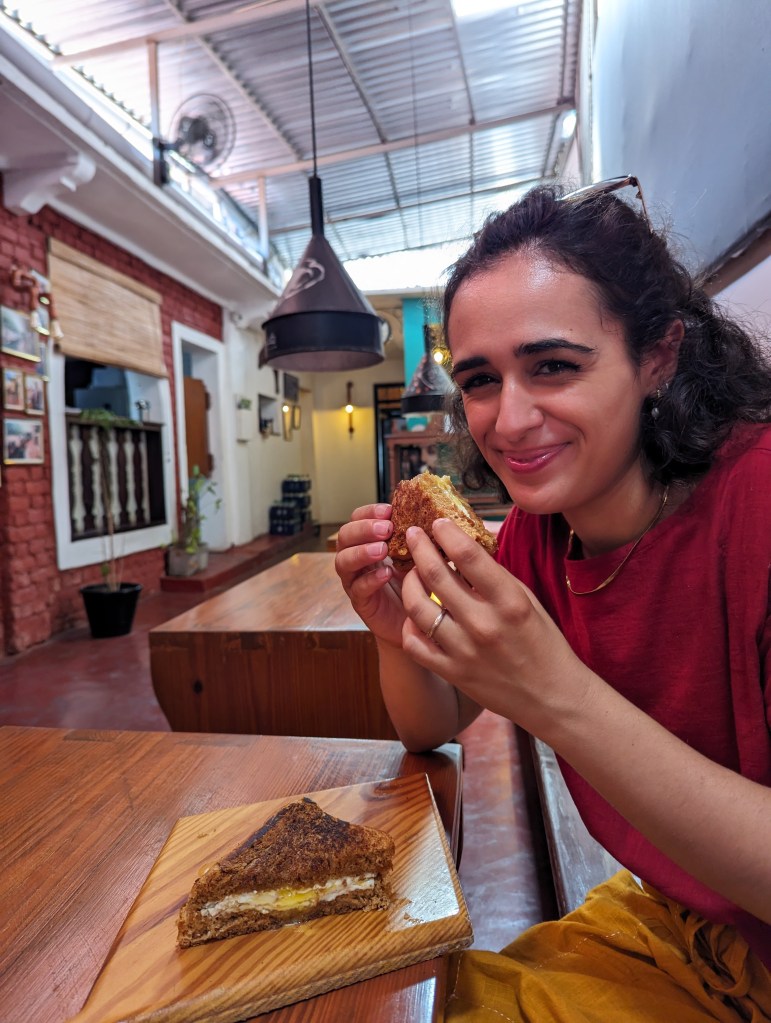
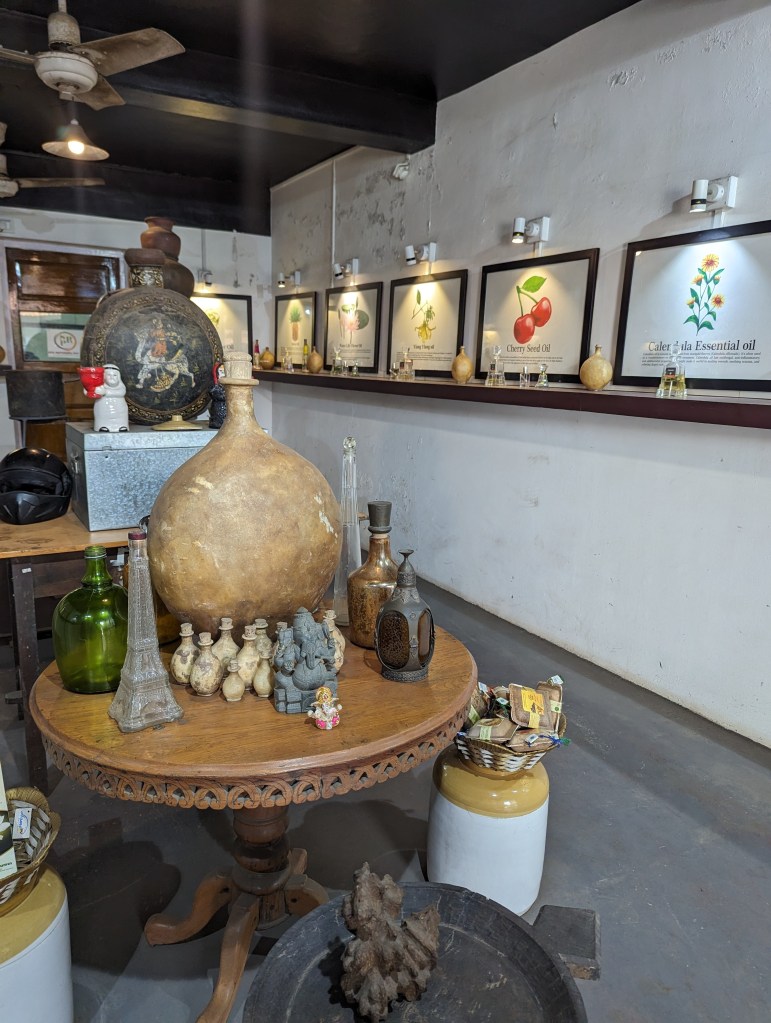
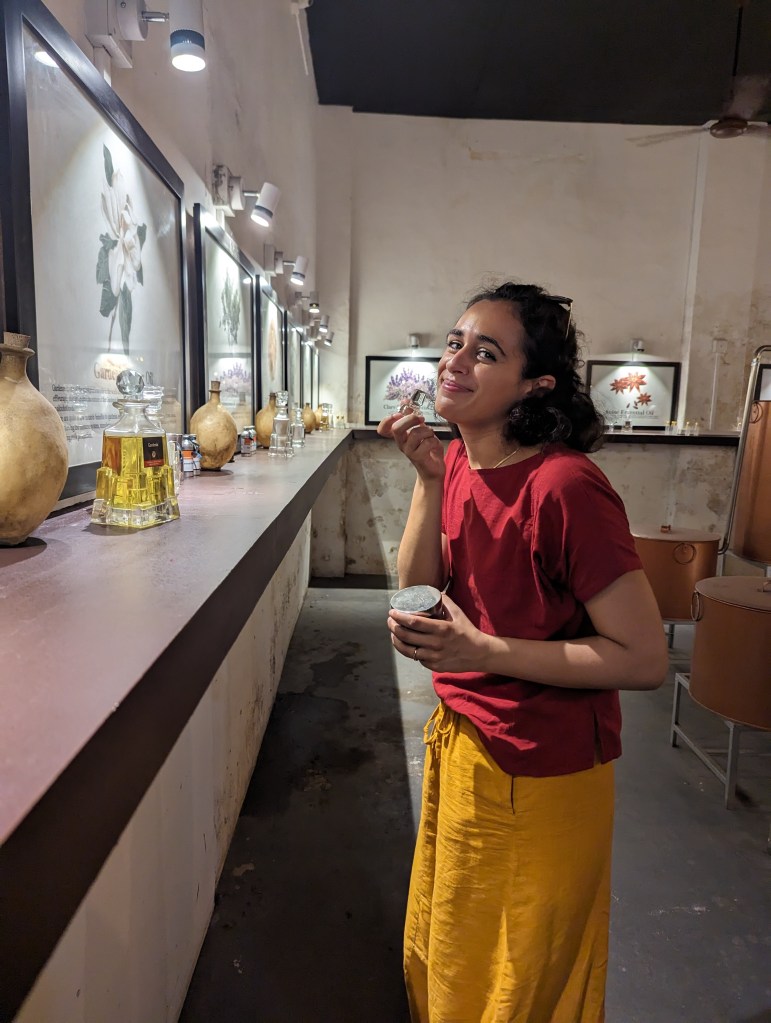
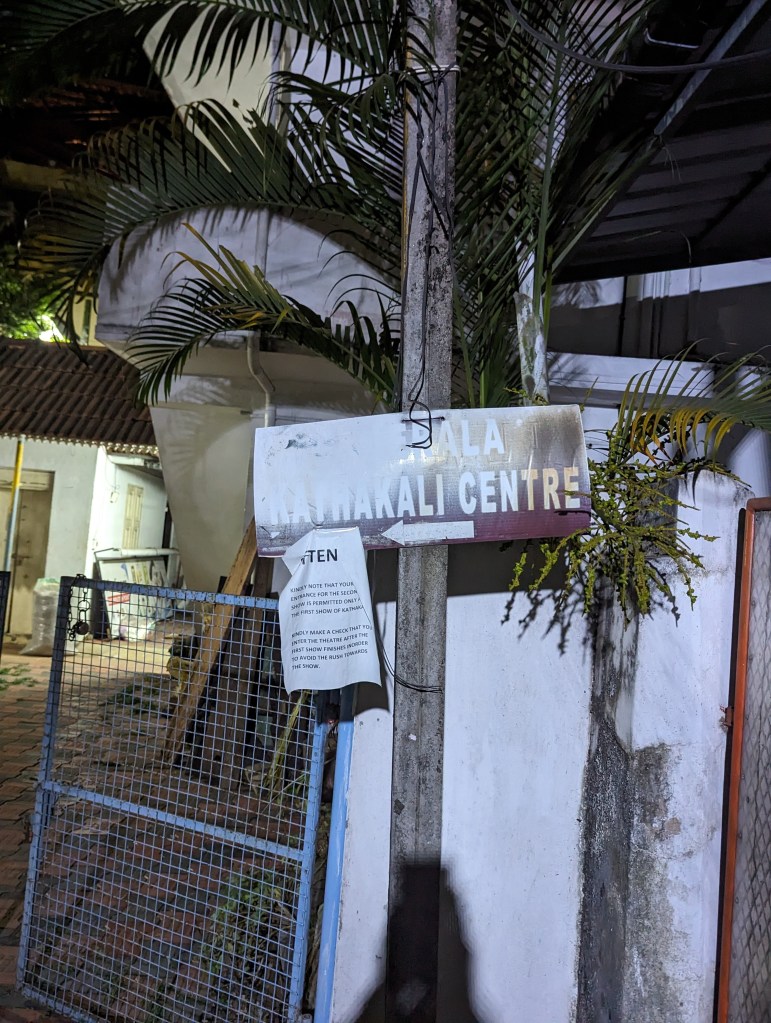
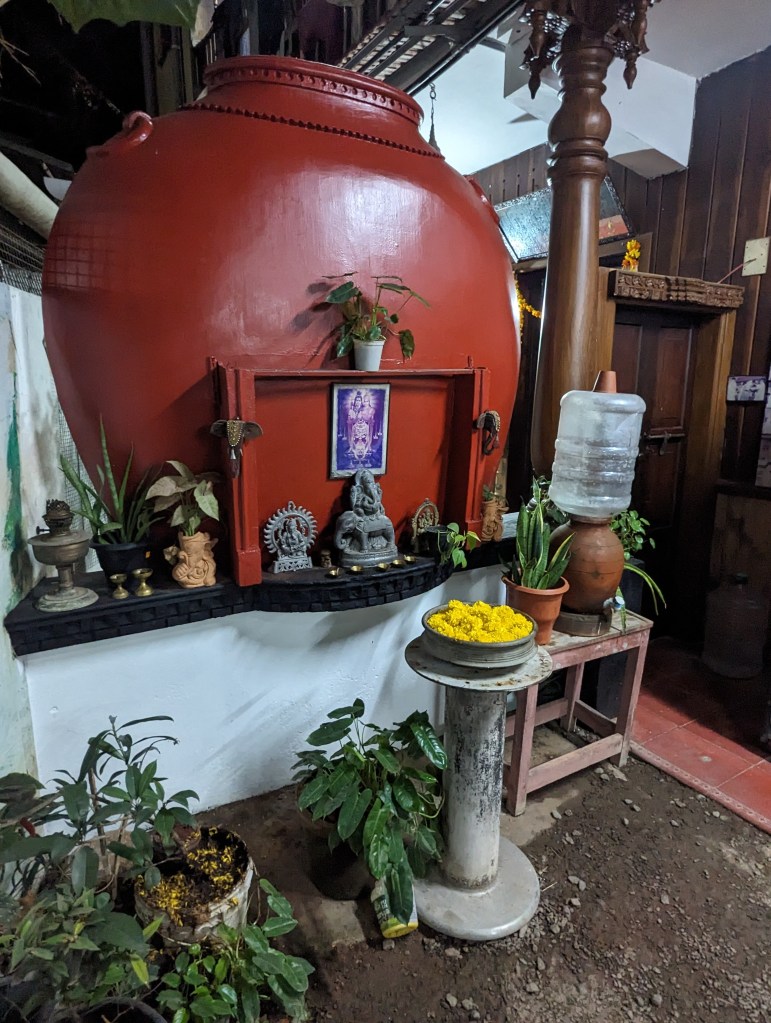
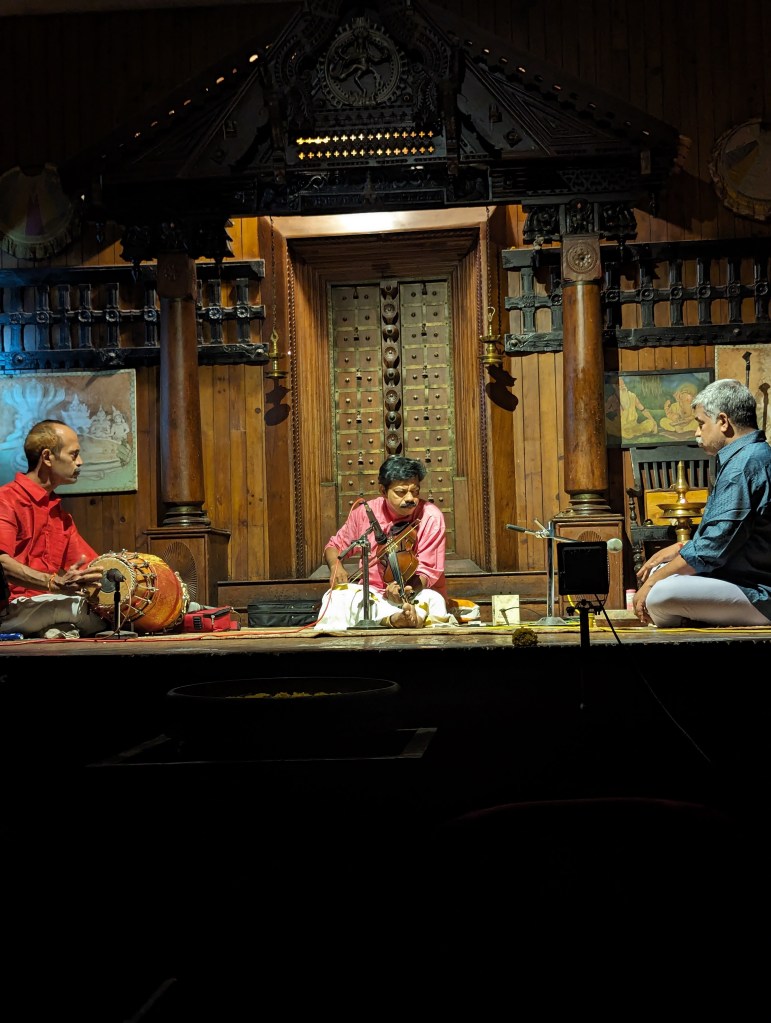
We and our spoils rickshawed (a verb now in our common parlance) home where we spent an hour or two to rest, then got ready to head back out into Fort Kochi. The Kerala Kathakali Centre is a small theatre tucked down a sidestreet in the town centre area, and every night has shows of Keralan classic art – dance, plays, music and martial arts. We opted this night to go to the classical music performance. We were 2 of maybe 7 or 8 in the audience. The performers were three men sat cross-legged on the stage, one playing a violin in Indian style with the scroll pressed into the top of his foot, the other two on drums.
The music was a raga, which is a framework for improvisation. Each instrument came in to and out of the composition, with the musicians holding time for the others by with hand gestures and clapping whilst they weren’t playing. It was fascinating to watch, and the theatre deserved to be a lot busier. We ended the evening in an Italian restaurant around the corner, and walked home to bed.

And so ended our first 3 days in Kochi. The following 4 days have been marginally less action packed, so I will write about those in the next blog over the weekend.
Until then,
Rob xx

 Rob's India & Nepal Blog
Leave a comment